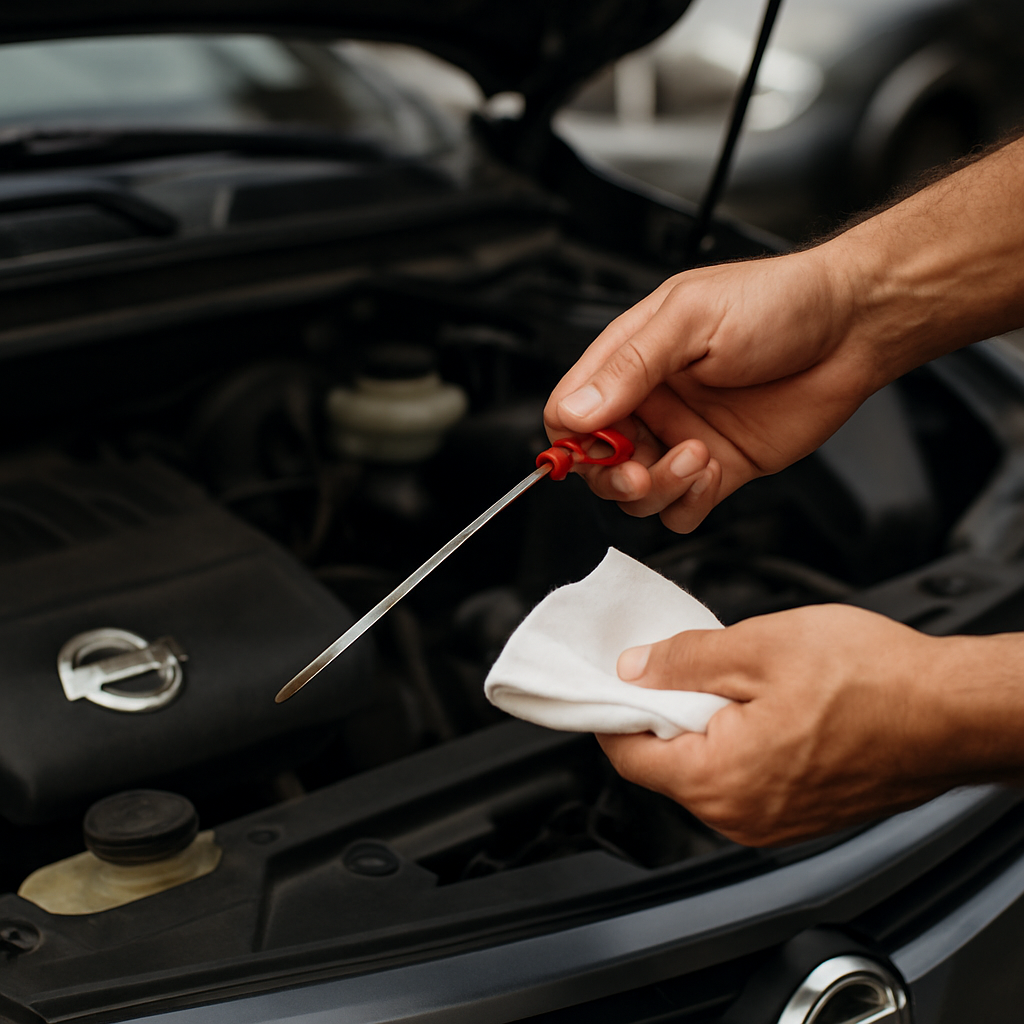
If you want your vehicle running smoothly, checking the transmission fluid level should be part of your maintenance routine. For most modern cars, this process requires a few careful steps—choosing the right gear, having the engine at proper temperature, and sometimes deciphering dipstick-free systems. Whether you own a Chevy, Nissan, or another popular model, it’s easier to get it right with a quick reference guide. Here’s exactly how to check transmission fluid level reliably, safely, and at home.
Should You Check Transmission Fluid With the Engine Running or Off?
In almost all vehicles, transmission fluid should be checked while the engine is running. This is because fluid circulates through the transmission and torque converter, giving a true reading only when things are hot and moving.
Manufacturers usually recommend checking when the engine runs and the transmission is in either Park or Neutral (consult your manual for your model). Stopping the engine can make fluid drain into the pan, disguising the true operating level. Always let the car reach normal operating temperature first—the fluid expands when hot. If the engine is cold, you might underfill and damage the transmission over time. Failing to follow this advice could lead to expensive issues similar to what some Ford Expedition owners have experienced.
Never check transmission fluid with the engine off unless the vehicle manual specifically instructs you to do so. This helps ensure you get the most accurate, actionable information on fluid health and volume.
How to Check Transmission Fluid Level at Home: Step-by-Step Instructions
You can easily check most transmission fluid levels right in your driveway with minimal tools. Here’s a quick method many car owners can use:
- Park your car on level ground and engage the parking brake.
- Start the engine and let it idle until warm. Move the shifter through each gear and then return to Park (or Neutral as specified).
- Open the hood and locate the transmission dipstick (look for red or yellow handles, usually at the back of the engine bay).
- Pull out the dipstick, wipe it clean, reinsert fully, then withdraw it again to check the level. The fluid should fall between the ‘Full’ and ‘Add’ marks.
- If low, use a funnel and add the manufacturer’s recommended transmission fluid, checking continually to avoid overfilling.
Most models are similar, but always read your owner’s manual. For those with electronic dipsticks or sealed systems, special steps may be required—never force access if unsure. Properly checking at home can catch problems before they become expensive repairs.
Neglecting these simple checks can lead to transmission wear or sudden failure. Real-world frustrations, like high repair costs for drivers confronted by recurring transmission breakdowns, underscore the value of DIY fluid checks.
Is It Better to Check Transmission Fluid in Park or Neutral?
Most vehicles require you to check the transmission fluid while the car is in Park, though some recommend Neutral. Always double-check your owner’s manual for the specific instructions for your Chevy, Nissan, or other make.
Why the difference? Some manufacturers design transmissions that keep the pump operating at the correct pressures only in Park, while others use Neutral. Using the incorrect setting might yield an inaccurate fluid level and inadvertently mask brewing problems.
The key is consistency—whatever your vehicle manual says, stick with it each time. This makes tracking subtle changes in fluid level much easier and prevents guesswork.
How Do You Check Transmission Fluid Without a Dipstick?
Some modern cars, especially certain Chevys, Hyundais, and luxury brands, do not have visible transmission dipsticks. These are known as sealed or ‘lifetime fill’ systems. However, you can still check the fluid—it simply takes a bit more effort and sometimes special tools.
The process typically involves raising the car to access a check/fill plug under the transmission. With the engine running and transmission at operating temp, technicians remove the plug—if fluid drips out, the level is correct. No drip means it’s time for a top-up. This is best done with the vehicle securely lifted and should only be attempted if you’re comfortable working underneath your car.
Manufacturers claim these systems cut down on unnecessary service, but many experts still advise periodic checks. Missed leaks in a sealed system can lead to catastrophic failures, as seen in real cases where undiagnosed problems led to major breakdowns.
Are There Model-Specific Tips for Checking Transmission Fluid in Chevys, Nissans, and More?
For Chevy vehicles, especially trucks and some SUVs, look for the bright red transmission dipstick. Older Chevys keep things simple, but newer models may use electronic sensors or require the sealed unit procedure described above. Check your manual before starting.
Nissan cars, particularly those with CVT transmissions, often require special fluid, a precisely-leveled surface, and attention to specific gear positioning. Hyundai Tucson, Ram 1500, and most modern SUVs may all feature their own quirks. Don’t guess—always pull model-specific instructions to avoid errors.
If you’re ever unsure or notice warning signs like hard shifting, erratic gear changes, or obvious leaks, consider a professional inspection. Early intervention can head off massive repairs. Modern vehicles are increasingly complex, and trusting official sources, or even considering how dealership service departments address recurring transmission troubles, can extend your vehicle’s life far beyond the norm.
Checking your transmission fluid correctly isn’t just about preventing immediate breakdowns—it’s about protecting your long-term investment and keeping your car performing its best mile after mile.