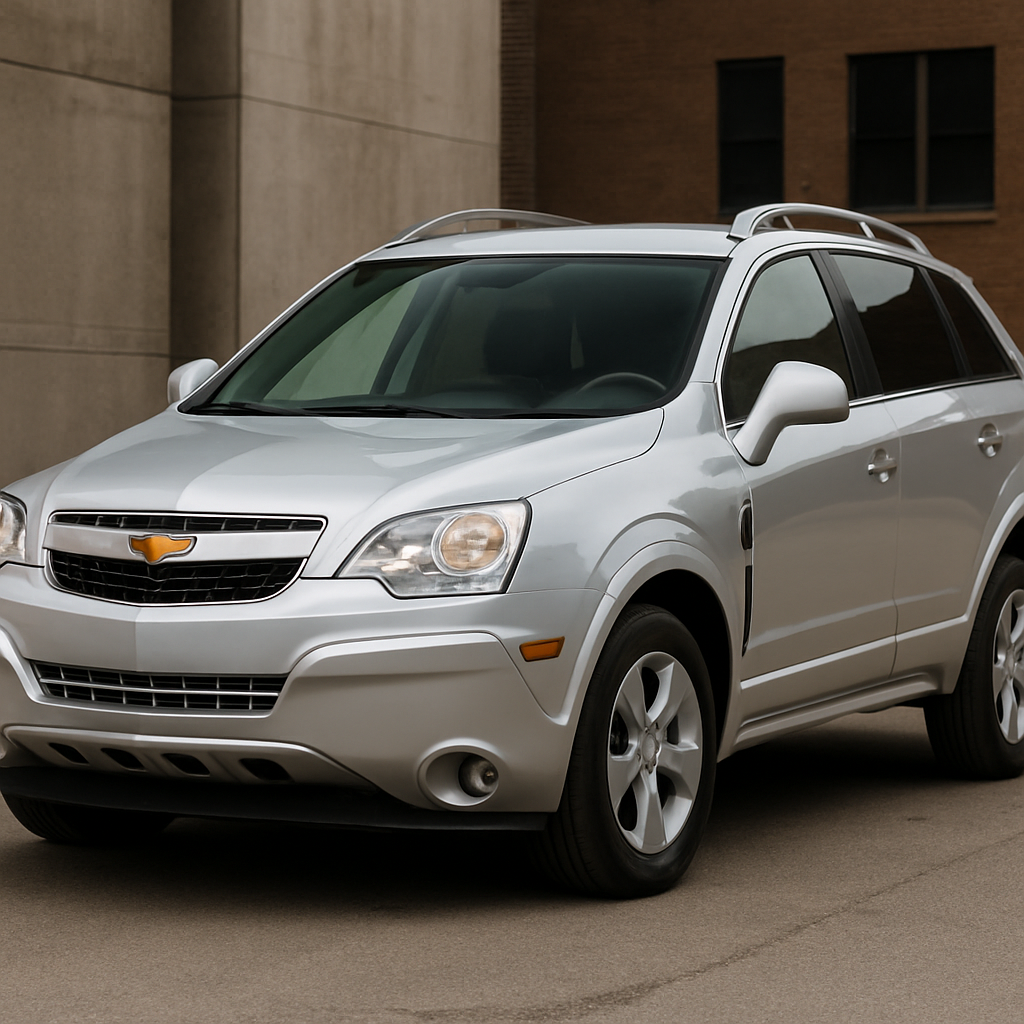
Looking at the 2014 Chevrolet Captiva Sport? Here’s what matters most: it is a practical, compact SUV built for utility, comfort, and everyday value. The 2014 Captiva Sport stands out for its solid build, straightforward engine, and versatile trims—especially the LTZ. If you want a quick snapshot of specs, performance, price, and features, this article gives you answers up front with detailed insight just below.
What Are the Main Problems to Watch for in a 2014 Chevy Captiva Sport?
Common issues with the 2014 Chevy Captiva Sport include transmission concerns, electrical quirks, and premature wear on certain parts. Most owners report problems like delayed gear shifting, rough idling, and the occasional check engine light.
How Many Miles Can a 2014 Chevy Captiva Last?
A well-maintained 2014 Chevy Captiva Sport can typically last between 150,000 and 200,000 miles before requiring major powertrain overhauls. Consistent oil changes and proactive transmission servicing remain essential for pushing past the 150k-mile threshold.
While Saturn Vue roots gave the Captiva a solid underlying platform, long-term durability depends heavily on past maintenance. Owners who adhere strictly to factory fluid schedules frequently report pushing these crossovers well past 175,000 miles without catastrophic component failures. However, skipping engine oil services quickly starves the timing chain, leading to premature stretched chains and severe engine damage. Transmissions also require fresh fluid every 45,000 miles to prevent rough shifting under heavy acceleration. If you are browsing used car lots, pay close attention to maintenance logs. As highlighted in consumer feedback on Cars.com owner reviews for the 2014 Captiva Sport, drivers who stay diligent with routine maintenance often enjoy trouble-free daily commutes long after reaching higher mileage numbers.
What Is a Used 2014 Chevrolet Captiva Sport Worth Today?
In today’s used car market, a 2014 Chevrolet Captiva Sport generally costs between $4,000 and $7,500 depending on mileage, trim level, and overall mechanical condition. Lower-mileage LTZ models command slightly higher prices near the upper end of that spectrum.
Depreciation hit the Captiva Sport hard because it originally launched primarily as a rental fleet vehicle rather than a retail showroom staple. That rental background created a surplus of used units entering the secondary market simultaneously, driving down private sale values. Today, that steep initial depreciation benefits budget-conscious buyers seeking an affordable compact SUV equipped with modern conveniences like leather seats and Bluetooth. Standard LS trims sit toward the bottom of the price range, while top-tier LTZ variants fetch a premium for their upgraded audio systems and sunroofs. According to automotive evaluation data in the Edmunds 2014 Chevrolet Captiva Sport expert review, the crossover offers strong feature value for used buyers, provided the vehicle underwent proper inspection prior to purchase.
Which Common Mechanical Issues Plagued the 2014 Captiva Model?
The most frequent problems on the 2014 Captiva Sport include timing chain wear, high oil consumption in 2.4-liter engines, and faulty power steering pumps. Electrical glitches in the power window switches and air conditioning actuators also occur periodically.
General Motors equipped many 2014 Captivas with the 2.4-liter Ecotec four-cylinder engine, which earned a reputation for burning oil as piston rings wear down over time. If owners fail to monitor oil levels between service intervals, low oil pressure damages the variable valve timing solenoids and stretches the timing chain. Another recurrent headache involves power steering fluid leaks caused by deteriorating high-pressure hoses, leading to whining noises during tight parking maneuvers. Automatic transmission hesitation between second and third gear also surfaces in higher-mileage examples. Checking recall histories and technical service bulletins helps buyers spot these headaches early before signing sale paperwork.
What Engine Powers the 2014 Chevrolet Captiva Fleet Crossover?
The 2014 Chevrolet Captiva Sport came standard with a 2.4-liter Ecotec inline four-cylinder engine producing 180 horsepower, paired with a six-speed automatic transmission. Higher trim levels offered an optional 3.0-liter V6 engine generating 301 horsepower for punchier highway merging.
Base 2.4-liter four-cylinder engines prioritized fuel economy, achieving roughly 20 mpg in the city and 28 mpg on open highways. While adequate for daily commuting, that base powertrain can feel strained when hauling a full load of passengers and cargo uphill. Drivers looking for extra passing muscle often preferred the 3.0-liter direct-injection V6, which transformed acceleration at the cost of higher fuel consumption. Both powerplants were paired exclusively with a six-speed automatic transmission sending power to the front wheels, though all-wheel-drive configurations were available on select builds. Detailed vehicle specifications in J.D. Power ratings on the 2014 Captiva Sport fleet model confirm that both engine variants delivered practical utility tailored directly to commercial and corporate operators.
Why Did General Motors Discontinue This Compact SUV?
General Motors phased out the Captiva Sport in 2015 to focus retail and fleet production resources on the completely redesigned Chevrolet Equinox and Trax models. The Captiva was always intended as a temporary fleet placeholder rather than a long-term retail showroom vehicle in North America.
Originally derived from the international Saturn Vue platform, GM repurposed the design under the Chevrolet badge specifically to satisfy commercial rental fleets without diluting retail Equinox sales. It filled a temporary gap in corporate vehicle lineups between 2012 and 2015. Once GM updated its primary assembly plants and expanded Equinox production capacity, keeping a secondary fleet-only crossover in the lineup became redundant. Retiring the badge allowed Chevrolet to streamline parts manufacturing and focus marketing dollars on unified global platforms.
The biggest headache seems tied to the 6-speed automatic transmission. Some drivers have experienced hard shifts or hesitation between gears, which, while not universal, should be checked during any test drive. Electrical gremlins—such as power window glitches or sensor faults—pop up occasionally as well. While these issues aren’t headline-making, being proactive about routine maintenance is your best defense. So if you’re considering a used Captiva Sport, always ask for a comprehensive vehicle history and service records.
Tire and brake wear, although typical for compact SUVs, can happen a bit earlier than expected for this model. Schedule regular inspections and address warning lights right away for the smoothest ownership experience.
How Much Does the 2014 Chevrolet Captiva Sport Weigh and Why Does It Matter?
The 2014 Chevrolet Captiva Sport has a curb weight ranging from about 3,769 to 3,887 pounds, depending on trim and equipment. This moderate weight puts it in line with other compact SUVs, balancing sturdy feel with manageable handling.
A vehicle’s curb weight affects more than just numbers on a spec sheet. For the Captiva Sport, the weight translates into a stable ride and predictable braking. It’s substantial enough to feel safe, yet not so heavy that gas mileage tanks. Drivers appreciate the surefooted nature and confident handling—two things you can feel every day on the road.
If you’re curious about specs across multiple trims, JD Power provides detailed curb weight numbers and other trim details to help buyers make direct comparisons.
What Makes the 2014 Chevrolet Captiva Sport LT and LTZ Trims Stand Out?
The LT and LTZ trims add key upgrades for buyers who want more from their Captiva Sport. The LT focuses on enhanced convenience and a few comfort perks, while the LTZ levels up luxury and technology.
On the LT, you get features like upgraded upholstery, fog lamps, automatic climate control, and available remote start. The LTZ trim adds a sunroof, leather-appointed seats, a premium sound system, and chrome exterior details. These extras give the LTZ a more upscale vibe without jumping up to a luxury badge. Both versions deliver the core utility drivers expect, but with a noticeable boost in everyday comfort.
To see a breakdown of features and option packages for all trims, check out the in-depth comparison at this Captiva Sport trim overview. Knowing which trim fits your needs helps you find real value for your money.
What Are the Key Specs and Interior Features of the 2014 Captiva Sport?
Under the hood, every 2014 Captiva Sport comes standard with a 2.4-liter inline-4 engine producing 180 horsepower and 172 lb-ft of torque. All models pair with a 6-speed automatic transmission. Fuel economy hovers around 20 MPG city and 28 MPG highway, which is typical for a compact SUV in this class.
Inside, you’ll find thoughtful details like supportive seating for five, sliding rear seats, and a user-friendly dash layout. Cargo space is decent, offering 29.2 cubic feet behind the second row and up to 57.0 cubic feet with seats folded down. Materials are hard-wearing and easy to clean, and while luxury isn’t the focus, practical usability shines through.
Higher trims, including the LT and LTZ, upgrade you to features like leather seating, heated front seats, a better audio system, and a power driver’s seat. If you need more detail, this specs and features summary includes valuable resale data and a full equipment list.
Bluetooth connectivity, satellite radio, and keyless entry round out the convenience features—making this a practical workhorse for busy family life or light-duty hauling.
What Is the Typical Price Range for a Used 2014 Chevrolet Captiva Sport?
Prices for a used 2014 Chevrolet Captiva Sport can vary, but you should generally expect to pay between $4,000 and $7,000, depending on mileage, trim level, and condition. Recent market trends show the average resale value hovers around $4,800, while trade-in numbers are a bit lower.
Actual sale prices depend a lot on location and extras. Lower-mileage LTZ models, for example, can command more than a base LS trim. Buyers are advised to compare prices from different dealerships, check private sales, and factor in any costs for repairs or updates. Online resources like used Captiva Sport listings make it easy to see what people are actually paying near you. For even more valuation tools, Kelley Blue Book tracks typical resale values and depreciation by trim and mileage.
A pre-purchase inspection, vehicle history report, and a test drive will help you lock in the best value for the money and steer clear of common pitfalls with higher-mileage options.
Whether you prioritize affordability or want the upscale touches of the LTZ, the Captiva Sport gives you a well-balanced used compact SUV that covers the basics and then some.
Pingback: How to Check Transmission Fluid Level in Park or Neutral for Chevy and Nissan Owners - Premier Motoring Blog