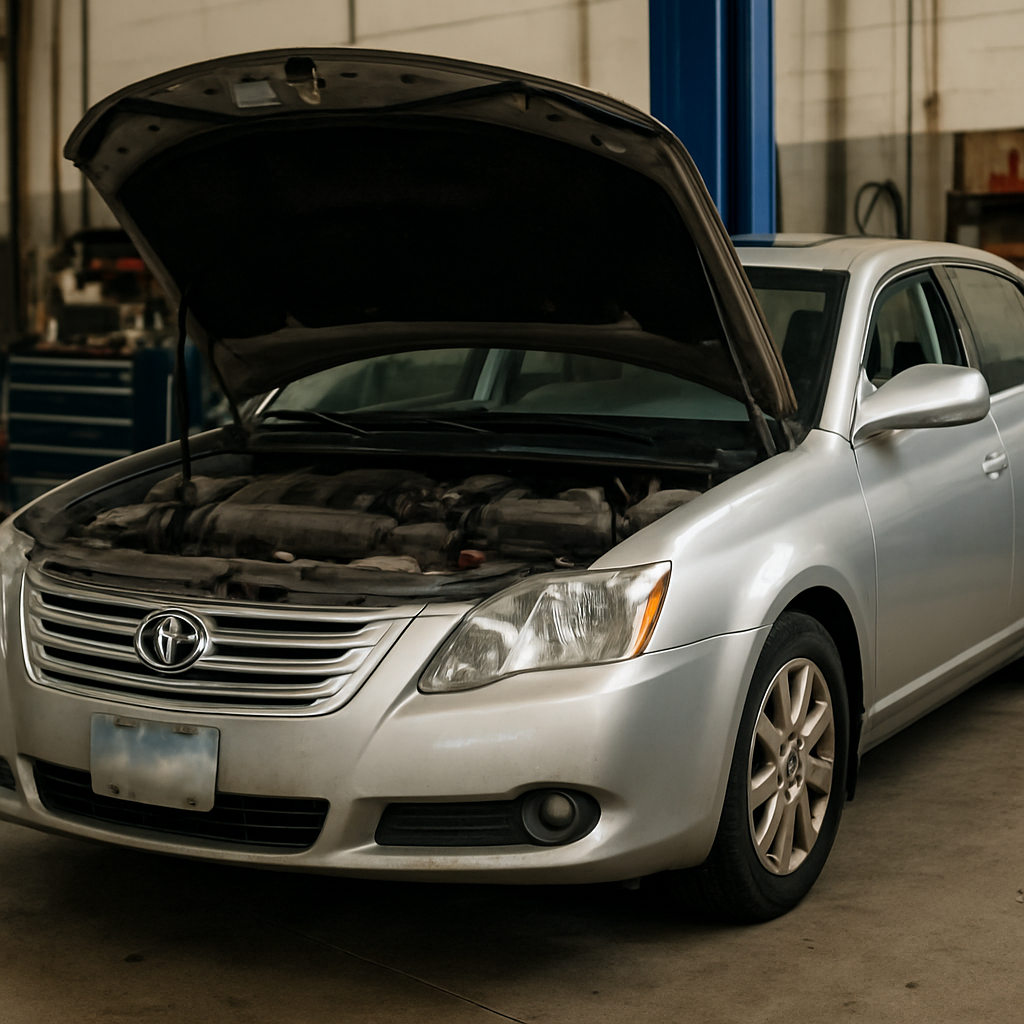
Looking for a reliable sedan can feel overwhelming, especially with a reputation as strong as the Toyota Avalon. Here’s the reality: while the Avalon is widely known for its dependability, owners have reported some recurring issues in certain years, as well as a few age-related concerns to watch out for. If you want a worry-free experience, it pays to know both the red flags and the standout model years.
What Are the Most Frequent Problems Seen in Toyota Avalon Models?
The most common trouble spots for Toyota Avalons include oil leaks from the valve cover gasket, failing ignition coils after extended mileage, and occasional peeling paint—particularly in select years. According to input from owner communities and reliability data compiled by repair sites, other notable issues include a rear window sunshade that may become noisy or fail entirely, and rare cases of transmission hesitation.
Owners with 4th generation Avalons echo that the valve cover gaskets are a typical maintenance item, but not a devastating repair. As these vehicles age, electrical quirks (such as radio illumination problems) sometimes crop up, especially on higher-mileage examples. While none of these are catastrophic, being aware of them can prevent unpleasant surprises during ownership.
Routine issues tend to cluster as these sedans hit 100,000 miles and beyond, so a thorough inspection is smart if you are considering a used Avalon. Repairs for most of these faults are manageable and often less expensive than repairs on comparable luxury sedans.
Are There Unique Issues with Toyota Avalon Hybrid Versions?
Toyota Avalon Hybrid models are generally regarded as reliable, but there are a few unique complications. Hybrids can sometimes suffer from hybrid battery degradation as they age, leading to reduced fuel economy and potential battery replacement costs.
Some owners report that the regenerative braking system feels grabby or inconsistent compared to traditional versions. Electronics and sensors in the hybrid system require proper servicing, so regular maintenance at qualified shops is important. In most cases, battery warranty coverage and Toyota’s robust hybrid engineering keep these problems from becoming frequent.
If you are considering a used hybrid Avalon, a pre-purchase inspection of the high-voltage battery is recommended. This early check can catch underlying issues before they become significant expenses.
Which Toyota Avalon Years Should Shoppers Avoid?
Not every Avalon is created equal. Certain model years have racked up more complaints, higher recall rates, or specific flaws that make them riskier choices. Expert guides on Avalon years to avoid highlight models like the 2006 Avalon, which was subject to a significant number of recalls relating to airbags, accelerators, and other key systems.
The 2011 Avalon has been criticized for poorly adhering paint—especially on the roof and near the windshield—sometimes leading to costly cosmetic repairs. The 2014 model is known for rare but serious reports of unintended acceleration, while earlier years can occasionally suffer from transmission hesitation and misfires due to ignition coil failure.
Your best bet is to focus your search on model years with fewer complaints and strong consumer reviews. Careful selection ensures a more hassle-free ownership experience.
How Reliable Is the Toyota Avalon by Model Year?
The Avalon consistently rates above average for long-term durability, with Toyota’s typical reputation for dependable powertrains and simple maintenance. Yet, the actual reliability of each year does vary. Newer versions, especially from 2015 onward, benefit from improved electronics, fewer widespread mechanical faults, and stronger build quality across trims.
Earlier models like the 2006 and select vehicles manufactured between 2011 and 2014 are best approached with caution due to more prevalent complaint patterns. Later generations have seen refinements to the engine, transmission, and infotainment systems, resulting in fewer visits to the shop.
When shopping used, reviewing annual reliability reports and owner forums will help you spot trend years where minor faults increase. These little details, such as noisy power sunshades or paint problems, can sway your opinion about a particular vehicle.
What Issues Impact the 2020–2022 Toyota Avalon Models?
The 2020–2022 Avalon models have comparatively few widespread problems, thanks to Toyota’s ongoing upgrades. Still, some owners mention minor glitches with infotainment software, rare vibration noises from interior trim, and occasional quirks in advanced driver safety features.
No major engine or transmission faults have been widely reported in the most recent years, making these models some of the safest Avalon choices for modern buyers. Minor complaints, such as recalibration needs for safety sensors, are typically resolved under warranty. If reliability is at the top of your list, recent-model Avalons are among the best bets in today’s used car market.
Overall, knowing the historical maintenance trends and owner-reported problems will help you select the right Avalon for your needs.
Selecting a Toyota Avalon with caution regarding model year and maintenance background can lead to years of dependable performance, making it a smart investment for drivers seeking reliability in their next sedan.
Pingback: What to Expect with 2002 Honda Accord Motor Mount Replacement: Price, Parts, and Kit Options - Premier Motoring Blog