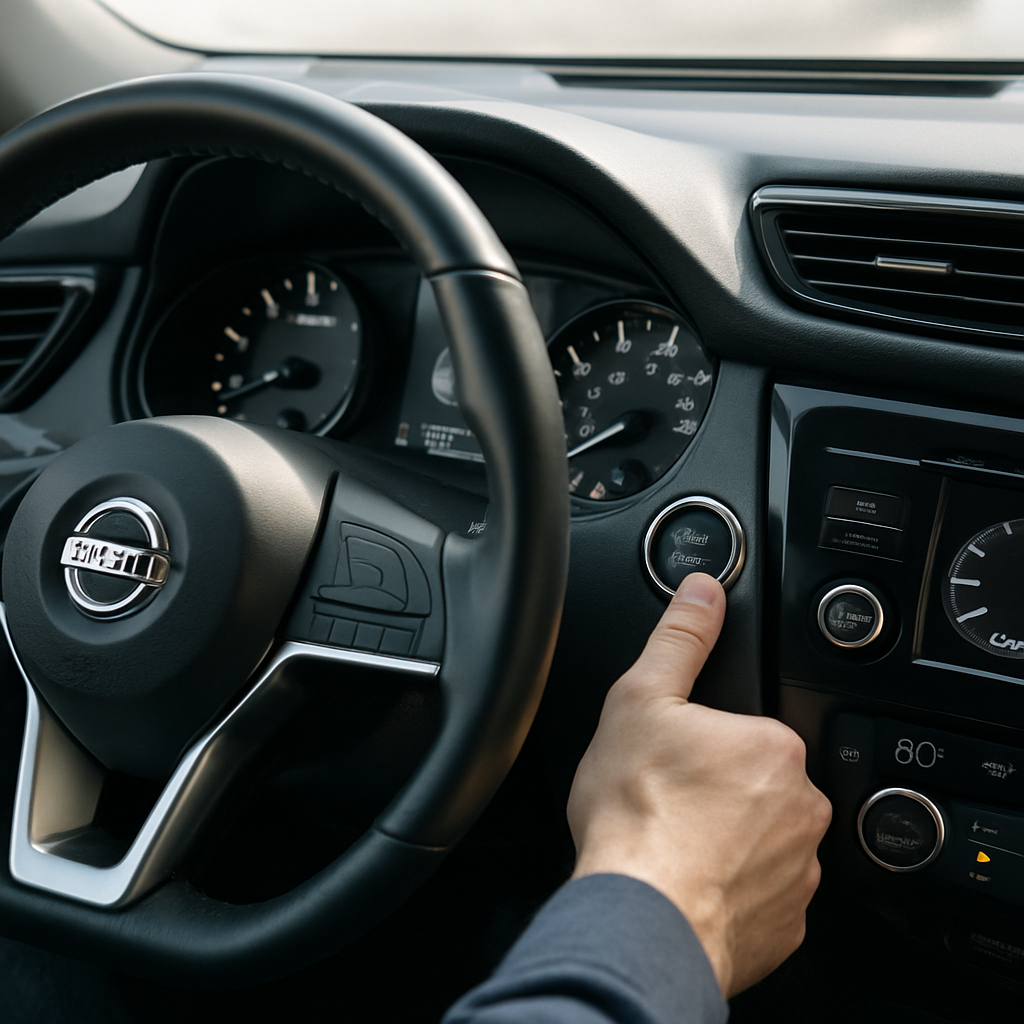
If your Nissan Rogue is making a clicking noise when you try to start it—whether it’s a 2016, 2018, or another model year—the problem usually points to issues with the battery, starter, or electrical system. Most of the time, a rapid or single click during ignition means the engine isn’t getting enough power or there’s a faulty component blocking the start. The good news: many of these issues are straightforward to diagnose and fix, especially if you catch them early.
Why Is My Nissan Rogue Making a Clicking Noise When I Try to Start It?
A clicking noise from your Nissan Rogue at startup is often a sign that the starter motor isn’t getting enough electrical current, typically due to a weak battery or corroded connections. In some cases, it can also indicate a malfunctioning starter or faulty solenoid.
According to automotive experts at Ted Russell Nissan, the most common root causes are low battery voltage or starter issues that prevent the engine from cranking. If the battery is fine, then components like the ignition switch or transmission sensors should be checked by a professional, as they can also cause this symptom.
The sound itself—a single click or rapid series of clicks—provides clues to what’s wrong. If you hear one solid click but nothing else, the starter might be to blame. If there are multiple rapid clicks, it’s almost always a battery or power-supply problem.
Common Reasons for Clicking Noises in the 2016, 2018, and Recent Nissan Rogue Models
Many owners of 2016, 2018, and other late-model Rogues report similar clicking noises when starting, hinting at shared causes across these years. Battery wear, especially in vehicles older than three years, is a primary suspect.
Starter motors or solenoids sometimes fail or stick, causing a click but no engine turnover. Models from 2013 to 2022 use similar systems, so age and high mileage increase the odds of starter or relay failures.
Some drivers also mention dashboard clicks, which can relate to electrical contactors or relays in the fuse box. While these dashboard noises are often harmless, if paired with starting problems, they suggest a faulty relay or control module may be present.
Loose or corroded battery terminals, especially after harsh winters, have also caused this complaint. Regularly cleaning the terminals and tightening connections is an easy preventative step.
How Should I Diagnose a Nissan Rogue Clicking Noise When Starting?
Start with the simplest culprit: the battery. Test its voltage, look for corrosion, and make sure the connections are tight and clean. If you recently changed the battery and the sound persists, consider the starter, solenoid, and ignition switch next.
Many Rogue owners on online forums report that even when a battery reads as ‘good,’ it might still lack the cold cranking amps needed to turn over the engine—particularly in colder climates. Swapping in a known-good or new battery is a fast way to rule out that variable.
If the battery isn’t to blame, tap on the starter with a tool (gently!) while someone else turns the key; if the car starts, the starter is likely sticking. Dashboard clicks without starting might point to a relay or fuse issue, requiring further inspection by a professional.
Does a Clicking Noise in the Dashboard Mean a Major Problem?
If you hear a clicking noise inside the dashboard—especially when starting the engine—it could be a sign of a relay cycling or a malfunctioning actuator within the HVAC system. Often, these clicks are unrelated to the car’s ability to start and may affect only climate controls or accessories.
However, when dashboard clicks occur simultaneously with startup failures, the underlying issue could be electrical, such as a control relay or power distribution failure. On platforms like Facebook owner groups, many users share stories of dashboard clicking preceding a full electrical failure, often tied to the main battery or fuse box.
If dash clicks are the only symptom, monitor for accessory issues, but if accompanied by no-start conditions, have a mechanic check the electrical system before more critical failures occur.
Why Is Your Nissan Rogue Rapidly Clicking But Refusing To Start?
If your dashboard lights up and you hear a rapid, machine-gun clicking sound when turning the key, you almost certainly have a drained battery or loose terminal connections.
The starter solenoid requires massive electrical current to properly engage the engine’s flywheel. When a battery is too weak to sustain that heavy load, the solenoid rapidly engages and disengages, creating that terrifying mechanical chatter. Most factory vehicle batteries fail after three to five years, particularly in regions with extreme summer heat or freezing winters. Grab a digital multimeter and test the voltage across the posts. Anything reading below 12.0 volts means the battery is functionally dead. While you have the hood popped to investigate electrical ghosts, it is generally smart to review other required maintenance schedules. For example, if your SUV is getting up in age, double-check your Nissan CVT fluid NS-2 compatibility and replacement intervals so a dying transmission doesn’t blindside your wallet right after you install a new battery.
Diagnosing A Single Solid Click Versus Rapid Battery Ticking
A single, loud thud or clunk when you push the ignition button points directly to a seized starter motor or a failed internal solenoid.
Unlike the rapid chatter caused by a dying battery, a solitary click indicates that full electrical power successfully reached the starter assembly, but the internal mechanical components completely refused to spin. The electrical solenoid pushes the pinion gear outward to mesh with the engine, yet the main motor itself is burned out. You can occasionally coax a dying starter into turning over one last time by tapping the outer metal casing firmly with a heavy wrench handle or rubber mallet. Be aware that this is purely a temporary roadside trick. You will absolutely need to replace the unit immediately before it leaves you stranded.
Why Does The Engine Tick Briefly Upon Startup And Then Stop?
An engine that ticks sharply for two or three seconds immediately after a cold startup is usually experiencing temporary valve lifter noise due to delayed oil pressure.
Gravity pulls motor oil down into the oil pan while your vehicle sits in the driveway overnight. When you crank a cold engine, it takes a couple of seconds for the internal pump to push lubrication back up into the cylinder head. Those top-end metal components chatter slightly until they are fully coated. This is completely normal behavior on higher-mileage engines. However, if the rattling sounds aggressively heavy—more like metal slamming against metal—you might be facing severe engine mount degradation. Just as worn-out Chevy K1500 lower control arms create awful metallic clunks over potholes, failing engine mounts will rattle violently during intense startup vibrations before the engine RPMs smooth out.
Can You Jumpstart A Vehicle With A Broken Starter Motor?
No, connecting jumper cables to another vehicle will absolutely not fix, bypass, or override a broken starter motor.
A jumpstart strictly provides external electrical amperage to a dead battery. If your battery is fully charged but the starter’s internal copper brushes are melted, adding more electricity from a neighbor’s truck accomplishes absolutely nothing. The system already has adequate power; the physical actuator is simply dead. According to diagnostic protocols published by NAPA Auto Parts, if your headlights shine brightly and your radio blasts at full volume, but turning the key only yields a single metallic thud, do not bother pulling out the jumper cables. You are wasting your time. You need to call a tow truck.
What Should I Do If My Nissan Rogue Clicks But Won’t Start?
If your Rogue clicks but won’t fire up, try jump-starting it with a good battery. If it starts, plan to replace your battery soon. If not, inspect the starter and relays for faults—these are common points of failure after several years of service.
Check overhead lights, the radio, and other electrical systems. If everything else works but the car won’t crank, the starter or ignition switch may be at fault. Persistent clicking without starting, even after battery replacement, should be investigated by a qualified technician, as it might point to more complex wiring or control issues.
Following these steps will help you zero in on the cause quickly, avoid unnecessary repairs, and get your Nissan Rogue reliably back on the road.
Knowing the typical causes—and what to do next—can turn an annoying clicking noise into a fast fix rather than a frustrating mystery.
Pingback: Nissan CVT Fluid NS-2: Compatibility, Alternatives, and Replacement Advice - Premier Motoring Blog
Pingback: 88-98 Chevy K1500 4x4 Lower Control Arms: Fitment, Bushings, and Replacement - Premier Motoring Blog
Pingback: Does Leaving the Key in the Ignition Drain the Battery? Off vs. On and What to Do if It Won’t Start - Premier Motoring Blog