Category Archives: Diagnostics & Maintenance

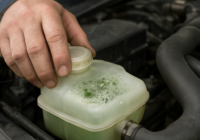
Coolant Bubbling in the Reservoir but Not Overheating: Causes and What to Check

Coolant bubbling in the reservoir while the temperature gauge appears normal can have several explanations, including trapped air or air entering the cooling system through a leak. A head-gasket problem is another possibility, but bubbling alone cannot confirm it. The gauge reading does not identify the cause, and bubbles do not necessarily mean the coolant… Read More: Coolant Bubbling in the Reservoir but Not Overheating: Causes and… »

Can a Bad Catalytic Converter Cause a Misfire? Symptoms, Causes and What to Do

Yes, a catalytic-converter problem can be associated with a misfire, but symptoms alone cannot confirm that the converter caused it. A restricted exhaust may also reduce power, which can feel like an engine-running problem without being the same as a cylinder misfire. The relationship can run the other way, too: an ongoing misfire may damage… Read More: Can a Bad Catalytic Converter Cause a Misfire? Symptoms, Causes… »

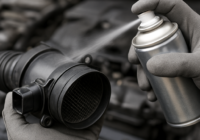
How to Clean a Mass Air Flow Sensor: Safe Steps and Cleaner Tips

You can clean a mass air flow (MAF) sensor when contamination is suspected, but cleaning is not a guaranteed fix for poor running or a warning light. Use a cleaner made specifically for MAF sensors, avoid touching the sensing element, and let it air-dry completely. The sensor’s location and removal procedure vary by vehicle, so… Read More: How to Clean a Mass Air Flow Sensor: Safe Steps… »

Can a Bad Alternator Drain Your Battery? Symptoms, Tests and What to Do

Yes—a bad alternator can leave your battery losing charge. When the engine is running, the alternator should charge the battery and supply the vehicle’s electrical needs. If it is not producing enough charge, the battery may be depleted instead of replenished. That differs from a battery losing charge while the car is parked, which points… Read More: Can a Bad Alternator Drain Your Battery? Symptoms, Tests and… »

Steering Wheel Vibration at Idle: Causes and What to Do

Steering-wheel vibration while your car is stationary with the engine running can be transmitted from an engine that is running unevenly or from mounts that are no longer isolating engine movement effectively. Worn engine mounts and a rough idle are possible causes, but vibration alone cannot identify a failed part. The first useful distinction is… Read More: Steering Wheel Vibration at Idle: Causes and What to Do »

Why Is My Brake Pedal Soft? Causes, Fixes and Whether It’s Safe to Drive

A soft or spongy brake pedal can mean the braking system is not building hydraulic pressure as it should. Air in the hydraulic system is a common cause, but fluid loss and other faults can feel similar, so pedal feel alone cannot identify the problem. Because braking performance may be reduced, treat a newly soft,… Read More: Why Is My Brake Pedal Soft? Causes, Fixes and Whether… »