Author Archives: PMB

How to Clean a Mass Air Flow Sensor: Safe Steps and Cleaner Tips
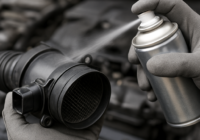
You can clean a mass air flow (MAF) sensor when contamination is suspected, but cleaning is not a guaranteed fix for poor running or a warning light. Use a cleaner made specifically for MAF sensors, avoid touching the sensing element, and let it air-dry completely. The sensor’s location and removal procedure vary by vehicle, so… Read More: How to Clean a Mass Air Flow Sensor: Safe Steps… »


Can a Bad Alternator Drain Your Battery? Symptoms, Tests and What to Do

Yes—a bad alternator can leave your battery losing charge. When the engine is running, the alternator should charge the battery and supply the vehicle’s electrical needs. If it is not producing enough charge, the battery may be depleted instead of replenished. That differs from a battery losing charge while the car is parked, which points… Read More: Can a Bad Alternator Drain Your Battery? Symptoms, Tests and… »

Steering Wheel Vibration at Idle: Causes and What to Do

Steering-wheel vibration while your car is stationary with the engine running can be transmitted from an engine that is running unevenly or from mounts that are no longer isolating engine movement effectively. Worn engine mounts and a rough idle are possible causes, but vibration alone cannot identify a failed part. The first useful distinction is… Read More: Steering Wheel Vibration at Idle: Causes and What to Do »

Why Is My Brake Pedal Soft? Causes, Fixes and Whether It’s Safe to Drive

A soft or spongy brake pedal can mean the braking system is not building hydraulic pressure as it should. Air in the hydraulic system is a common cause, but fluid loss and other faults can feel similar, so pedal feel alone cannot identify the problem. Because braking performance may be reduced, treat a newly soft,… Read More: Why Is My Brake Pedal Soft? Causes, Fixes and Whether… »

Bad Alternator Symptoms: Warning Signs and How to Tell It From a Bad Battery

A failing alternator can cause a battery warning light, dimming or flickering lights, electrical glitches, a weak or dead battery, difficulty starting, unusual noises, or a vehicle that will not stay running. These are warning signs of a possible charging-system problem, not proof that the alternator itself has failed: battery faults and other charging-system issues… Read More: Bad Alternator Symptoms: Warning Signs and How to Tell It… »

Flashing Check Engine Light: What It Means, Causes and What to Do

A flashing check engine light commonly indicates an active engine misfire: one or more cylinders are not burning fuel properly. A misfire can allow unburned fuel into the exhaust, where it may rapidly heat and damage the catalytic converter. Treat the warning as urgent, but remember that the light alone does not identify the failed… Read More: Flashing Check Engine Light: What It Means, Causes and What… »

Chevy Silverado 6-Speed Transmission Failure: Symptoms, Causes & What to Know

A Chevy Silverado with a six-speed transmission may have a serious transmission problem if it slips, misses gears, shudders or vibrates, develops an unusual smell, or makes loud clunking noises. A truck that suddenly cannot move under its own power may have suffered a catastrophic failure. These signs are warnings, not a diagnosis: they do… Read More: Chevy Silverado 6-Speed Transmission Failure: Symptoms, Causes & What to… »

GM 3.0 Duramax Fuel Economy Issues: Real-World MPG and Model-Year Differences

A reported drop in GM 3.0 Duramax fuel economy does not, by itself, identify a mechanical fault. Published estimates and owner-reported results vary, and neither cited article identifies a confirmed cause for a particular truck’s lower MPG. First, check whether the change persists by comparing fuel use over comparable fill-to-fill periods. If it continues or… Read More: GM 3.0 Duramax Fuel Economy Issues: Real-World MPG and Model-Year… »