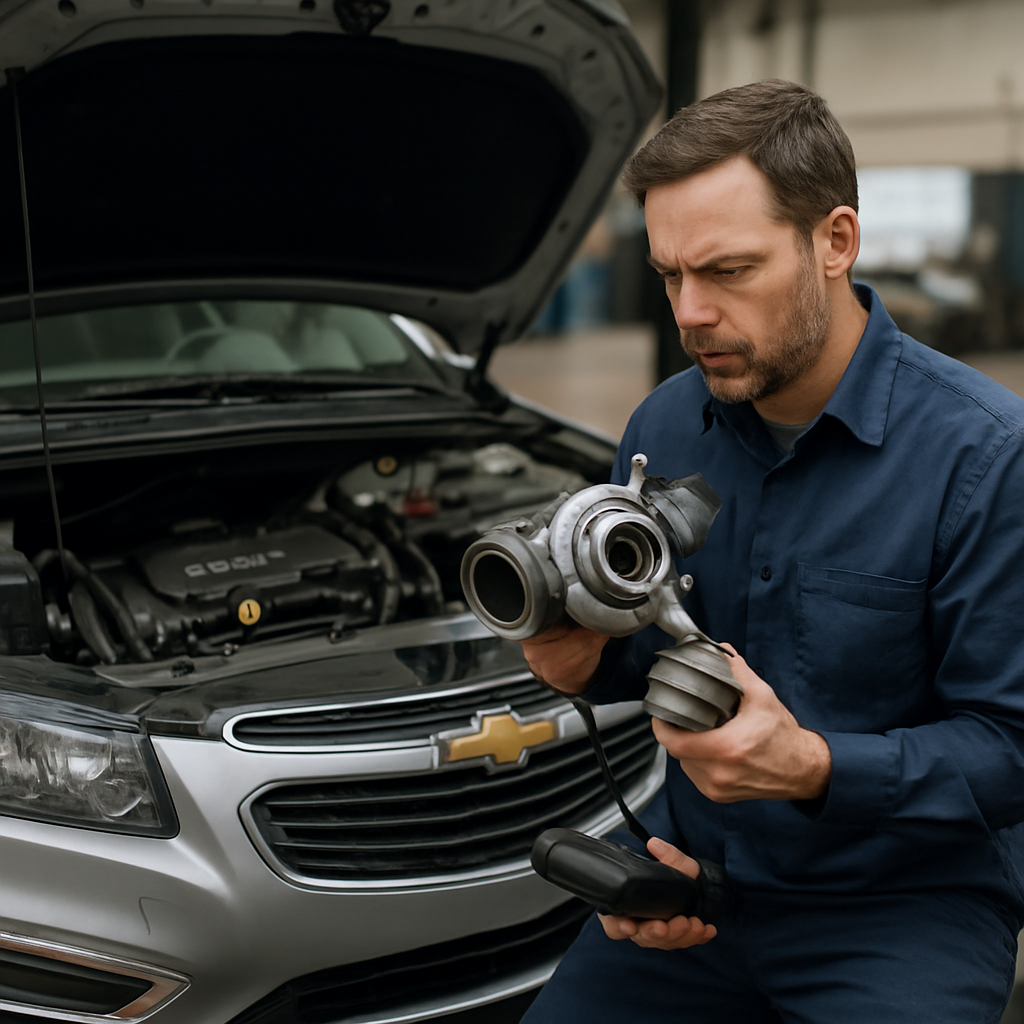
If your Chevy Cruze triggers a “turbo underboost code,” most often the P0299, you’re dealing with a situation where the turbocharger isn’t creating enough pressure to meet the engine’s demands. This generally means a significant loss of power, sluggish acceleration, and possibly reduced fuel efficiency. The most effective way to resolve this issue is to pinpoint whether the problem lies with a leak, a failed component, or a control sensor—and address it promptly to prevent further engine issues.
What Causes a Turbo Underboost Code in a Chevy Cruze?
P0299, or turbo underboost, usually happens when the engine control module detects that the turbocharger is not providing the expected boost pressure. Key sources of this problem on the Chevy Cruze include a leaking or cracked turbocharger, intake air system leaks, a faulty wastegate solenoid, or issues with sensors controlling turbo pressure. Any of these can disrupt the delicate balance needed for smooth engine performance.
You might also run into this code if there are blockages or restrictions in the air intake, or if parts like the charge pipe become disconnected. A bad turbo actuator, which controls the wastegate, is notorious for causing underboost as well. Inexperienced shops often miss these details; for example, as seen in this firsthand look at turbo underboost on a 1.4L Cruze, initial diagnoses sometimes point to expensive manifold replacements when a simpler fix was possible.
Chevy Cruze models built between 2011 and 2016, especially those with the 1.4L EcoTec engine, are prone to these turbocharger problems over time. Regular inspections and proactive repairs help keep boost pressure steady and the code at bay.
Which Chevy Cruze Years Are Most Affected by Turbo Underboost Codes?
Chevy Cruze vehicles from 2012, 2013, 2014, and 2016 most commonly face turbo underboost codes—especially as these model years get older and approach higher mileages. The repeated appearance of this code in driver forums and YouTube repair videos often centers around these years, partly due to widespread use of the 1.4L turbocharged engine and common wear points like the wastegate actuator and boost tubing.
Many 2012 and 2013 Cruzes report underboost when turbo components or vacuum lines degrade. For example, according to real-world owner discussions, the 2012 Cruze regularly suffers from this code due to simple boost leaks and actuator failures rather than catastrophic turbo damage.
As for the 2014 and 2016 Cruzes, owners frequently encounter the P0299 code after five to eight years of use. Staying current on maintenance and responding quickly when symptoms start is extra important for these model years, since catching problems early can prevent more expensive repairs.
No matter which year you drive, monitoring for changes in performance and acting fast when the check engine light appears helps minimize damage and cost.
How Do You Fix a Turbo Underboost Code on a Chevy Cruze?
The path to solving the turbo underboost code in your Chevy Cruze starts with a careful diagnosis. Mechanics and DIYers should first check for disconnected or cracked air hoses. These are frequently the simplest—and cheapest—culprits. Next, inspect both the turbo actuator and wastegate to ensure they’re functioning and correctly sealing the boost path.
If no basic leaks appear, test the turbocharger for physical and mechanical damage. Sometimes, the actuator spring or solenoid stops working and needs replacement. There are affordable kits for fixing wastegate actuators specifically for the Cruze, which can be bolted on for a quick solution, as discussed in detail by enthusiasts who diagnose and repair P0299 and related codes.
Regularly cleaning or swapping a clogged air filter and mass airflow sensor may also resolve the problem, since airflow disruptions trick the engine computer and reduce turbo performance. For major turbo damage or persistent underboost, replacing the turbo is sometimes necessary—but always explore the simpler fixes first.
Once repairs are complete, use a scan tool to clear the code. Monitor the engine to make sure the check engine light stays off and power is restored.
What Are the Typical Symptoms of P0299 on a Chevy Cruze?
When P0299 appears, your Cruze may feel weak, especially during acceleration. You might notice sluggish throttle response, a whistling or whooshing noise from the engine bay, poor fuel economy, and visible loss of power at highway speeds. Sometimes, the car can even enter “limp mode,” restricting engine output to avoid damage.
Another telltale symptom is the engine light coming on—sometimes in combination with other codes related to airflow or pressure sensors. Some owners describe sudden drops in boost pressure while climbing hills or passing, making routine driving stressful and unpredictable.
If these symptoms start showing up, don’t ignore them. Prompt attention to P0299 not only brings your Chevy back to full strength but also prevents possible damage to other engine systems.
Is There a Reliable Fix for P0299 Codes on the Chevy Cruze?
Many cases of P0299 can be resolved with minor fixes, like tightening or replacing loose boost hoses or swapping out the wastegate actuator. When these don’t solve the problem, the likely cause could be the turbocharger itself or related control electronics, which may require replacement for a permanent solution.
For many Cruze owners, replacing the actuator or fixing leaks resolves most underboost complaints—saving money compared to replacing the entire turbo. As highlighted in hands-on repair videos and owner discussions, simple fixes solve nine out of ten underboost codes on these vehicles.
Always aim to catch the issue early, before it triggers more expensive failures. Double-check all the relevant hoses, sensors, and turbo settings before investing in larger repairs. Drive test your Cruze after repairs to confirm the fix, and keep an eye out for recurring issues.
Consistent maintenance and quick diagnostics can make turbo underboost trouble a short-lived headache—not a long-term problem.
Pingback: Best Manual Transmission Cars: New, Used, and Worth Buying in 2026 - Premier Motoring Blog