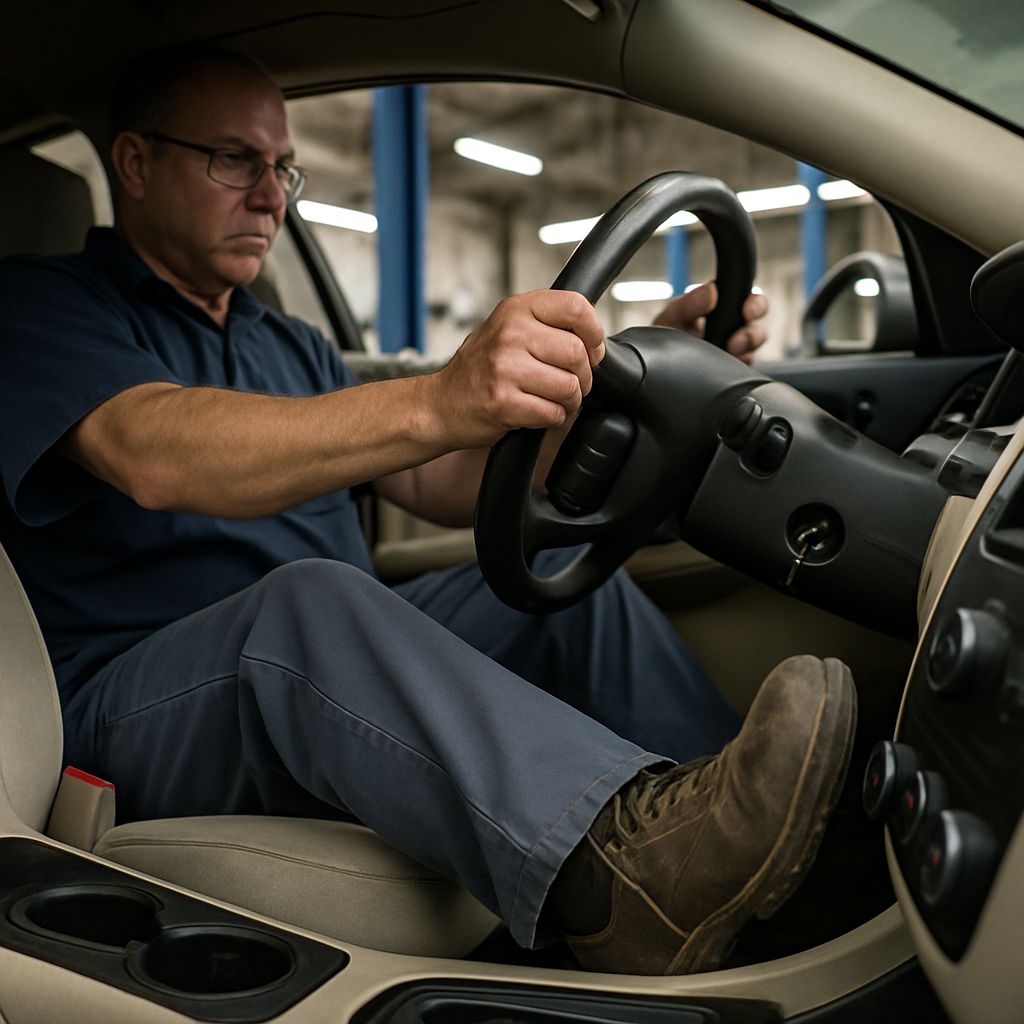
If your 2008 Chevy Impala brake pedal goes to the floor—especially after repairs or while you are driving—chances are there is either air trapped in the brake system or a failure within critical components like the master cylinder or brake booster. This issue is usually serious and warrants immediate attention, as it can compromise your ability to stop the car safely. In most cases, the solution revolves around addressing internal hydraulic leaks, ensuring correct brake bleeding, or replacing faulty parts.
What Causes the Brake Pedal in a 2008 Chevy Impala to Sink to the Floor During or After Driving?
When your brake pedal suddenly goes to the floor in your Chevy Impala, it usually points to a problem with hydraulic pressure, often either due to air in the lines or an internal hydraulic leak. If this pedal drop occurs after recent brake repairs, improper bleeding or failure of internal seals is a primary suspect.
A sinking brake pedal can be alarming, especially after investing in recent maintenance. Air trapped in the brake lines or a compromised master cylinder will prevent proper pressure from building up in the hydraulic system. According to a specialist’s review of pedal issues after system replacement, even if you’ve changed calipers and the master cylinder, trapped air or poor bleeding technique can leave your brakes dangerously soft.
Driving with this condition is risky. If front or rear brake fluid lines are leaking internally, or the master cylinder has failed, braking force is dramatically reduced.
Check all visible brake lines and flexible hoses for wetness, then try properly bleeding the system. If there’s no improvement and no clear fluid loss, the problem often lies inside the master cylinder.
How Can I Tell If My Master Cylinder or Brake Booster Is Failing in My Impala?
To figure out if the master cylinder or brake booster is bad, notice how the pedal responds as you apply and hold pressure. If the pedal slowly sinks even with steady force and there’s no external fluid loss, the master cylinder’s internal seals may be compromised.
With the engine off, pump the pedal a few times until it feels firm, then hold it down as you start the car. If the pedal drops significantly, your booster is working, but if it feels mushy or keeps descending, suspect a master cylinder issue. For detailed troubleshooting steps, consider reviewing real-world advice from Impala owners who have experienced similar problems.
The brake booster itself rarely causes a pedal to go to the floor; it more typically results in a hard pedal or extra effort required to stop. However, failure of the vacuum supply can mimic some symptoms.
If either part is suspected, replacement or professional testing is the safest route. Compromising on brake repairs risks further damage and puts you at serious risk.
Could My Brake Pedal Going to the Floor Be Caused by Something Other Than Fluid Loss?
Yes. A dropping brake pedal with no obvious external fluid leak often signals internal issues—such as a master cylinder that is bypassing internally or trapped air. You might have changed every component yet still experience the same trouble.
According to this specialist answer on persistent soft pedals, sometimes ABS units can trap air deep inside if not properly bled using a scan tool. On GM vehicles, inadequate bleeding procedures can create tiny air pockets capable of causing the pedal to sink under pressure.
Another cause is swollen rubber brake hoses that expand under pressure. While rare, replacing old hoses may be necessary after all else fails.
Can I Fix a Sinking Brake Pedal in Seconds for My Chevy Impala?
While there are quick tricks circulating on social media, a long-term fix requires a precise bleed of the brake system or component repair. Sometimes, gravity bleeding or using a pressurized bleeder can push out residual air in a matter of minutes—especially if bleeding procedures were missed after caliper changes.
Follow manufacturer-approved methods first, including proper sequence for each wheel. For a hands-on DIY guide to resolving spongy or sinking brake issues, check out this step-by-step auto repair walk-through for confidence before driving again.
If multiple bleedings do not restore a firm pedal, replacement of the master cylinder or professional diagnostic with a scan tool is the next step, especially for ABS-equipped vehicles.
Why Might My Brake Pedal Remain Soft After Replacing Calipers, the Master Cylinder, or ABS Components?
If you have changed the calipers, master cylinder, or ABS unit and still have a soft, sinking brake pedal, trapped air is almost always the culprit. Each new component can introduce air into the system, and modern ABS units are notorious air traps if not bled with the right tools and sequence.
Persistent problems following a complete brake system overhaul must be addressed systematically. Go over each connection and check torque on every line. If the problem remains, take your Impala to a professional with ABS brake bleeding capability for a final solution.
Ignoring a soft pedal can lead to brake failure, especially in an emergency stop. Do not risk driving until the system is 100% confirmed fixed and holds pressure with a solid pedal every time you press it.
Fixing a spongy or sinking brake pedal in your 2008 Chevy Impala requires patience, methodical diagnosis, and sometimes specialized equipment. When the pedal goes to the floor after repairs or during driving, focus on air elimination and hydraulic integrity to restore safety to your vehicle.
Pingback: What to Know About Toyota Tundra Transmission Problems and Common Symptoms in 2013-2022 Models - Premier Motoring Blog
Pingback: Bad Brake Booster or Master Cylinder? Symptoms and Simple Tests - Premier Motoring Blog