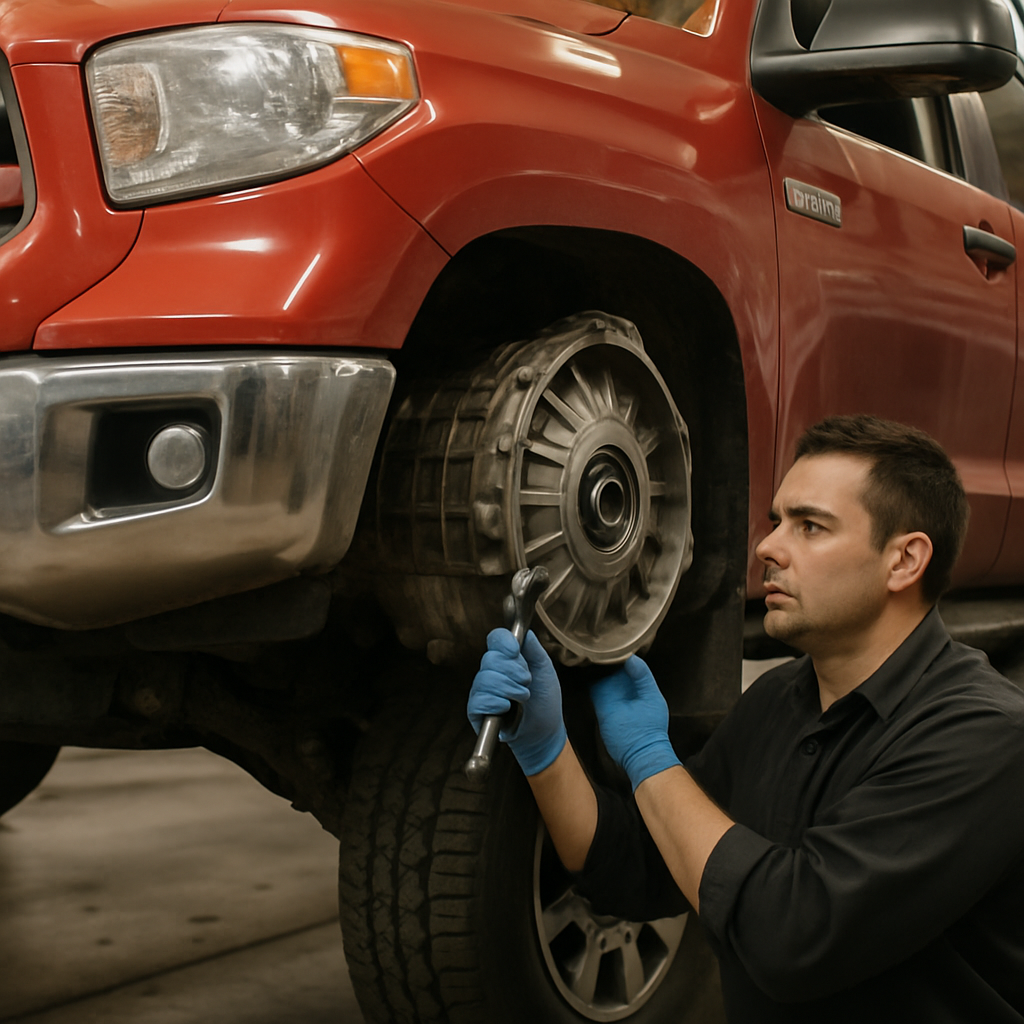
Toyota Tundra transmission problems aren’t as rare as many assume, especially in models spanning from 2013 through 2022. If you hear odd noises, feel rough shifts, or see warning lights, it’s important to take these seriously—quick action could save you from costlier repairs down the line. The Tundra’s reputation for reliability stands strong, but even these rugged trucks can have issues, mainly related to worn components, outdated transmission fluid, or—in some years—a software glitch.
What Are the Key Signs of Transmission Problems in the Toyota Tundra?
Watch for slipping gears, delayed or hard shifting, strange noises, or leaking fluid—these are all hallmark symptoms. Catching these early puts you ahead of most costly failures.
Drivers often notice delayed engagement when shifting from park, hesitation while accelerating, or unusual vibrations under load. In some cases, transmission warning lights alert you to underlying problems. Burnt-smelling or abnormally colored fluid also indicates service is overdue. In Tundra owner discussions, many point to rough shifts and fluid leaks as the first signs something is off. If you spot a red or brown puddle under your truck, that’s a red flag for worn gaskets or fluid seals, which can often be fixed before more severe damage sets in. (Check out this breakdown of Tundra troubleshooting steps.)
Modern Tundras use electronically controlled automatic transmissions, which means failing solenoids or outdated software can mimic mechanical trouble. Always look for a pattern: if issues appear mostly under specific conditions, collect details to share with your mechanic—it’ll speed up the diagnostic process.
How Do Transmission Issues Differ Across 2013, 2016, and 2018 Tundra Models?
Each generation has its own quirks, but some issues crop up more often in certain years. For example, 2013, 2016, and 2018 Tundras are known for fluid breakdown and sporadic rough shifting around the 80,000–120,000-mile mark.
The 2013 Tundra occasionally suffers from torque converter clutch shudder, often remedied with a full fluid change and filter replacement. By 2016, some improvements had been made, but premature solenoid wear remained a concern, frequently flagged by harsh gear changes especially when towing. The 2018 Tundra—while praised for power—has a record of heavier-duty use accelerating wear, particularly if fluid changes are skipped or the truck is used for frequent towing without an additional transmission cooler. (See owners discuss their towing experiences here.)
Across all three years, the importance of using Toyota-specified ATF WS fluid cannot be overstated. DIY fixes using the wrong products often introduce new issues rather than solving existing ones; always double-check your maintenance log and fluid type to protect your Tundra’s transmission longevity.
Remember that not every Tundra owner will experience significant transmission trouble—routine inspections often catch issues before they escalate. But if your truck is displaying any of the classic symptoms, prompt diagnosis is your best defense.
Are There Transmission Recalls or Known Software Issues for Newer Tundra Trucks?
Yes, Toyota recently issued a major recall for 2022–2024 Tundra and Tundra Hybrid models to address a software defect that keeps some transmission parts engaged—even in neutral.
This means your vehicle could creep forward unexpectedly, even if you think it’s safely parked and out of gear. Over 268,000 U.S. trucks are affected, and owners are urged to have recall work done as soon as possible. If you drive a Tundra built in 2022 or later, check your VIN and make sure you’re not at risk. The fix usually involves a software update at a Toyota dealership and does not require parts replacement in most cases.
Transmission fluid quality is still a big concern, even for new trucks. Outdated or degraded fluid reduces lubrication and speeds up internal wear—so regular replacements (every 60,000–100,000 miles) remain essential for all generations. This in-depth record of recent recalls and care guidelines goes into further detail.
Unlike older models, recent Tundras depend heavily on electronics for gear changes. So if you notice irregular shifting or error codes following a software update, it’s worth bringing up with the dealer—they can usually resolve software-related shifting issues quickly.
What Maintenance Steps Prevent Expensive Repairs in Tundra Transmissions?
Change your transmission fluid at recommended intervals, inspect for leaks, and drive responsibly for top longevity.
Start with regular service: Toyota specifies ATF WS fluid and generally recommends replacement every 60,000 to 100,000 miles, depending on your driving style. Neglecting this leads to overheating and increased friction, which quickly wear out clutch packs and solenoids. Paired with proper towing habits—never pull more than rated capacity—you’ll significantly cut down on risk.
- Inspect for leaks under your truck after heavy use (especially if you tow regularly).
- Fix worn pan gaskets promptly to avoid low-fluid damage.
- Consider installing an aftermarket cooler if heavy hauling is a constant in your routine.
- Address any dashboard transmission warnings or odd noises immediately; delays mean bigger bills.
Finally, stay tuned to owner communities. Real-world owner forums like this discussion are full of practical tips and emerging issues other drivers have noticed—sometimes before Toyota releases official guidance. You know your Tundra best, so trust your instincts and keep maintenance on schedule for fewer surprises.
Where Can You Find Reliable Forums and Owner Experiences About Tundra Transmission Concerns?
An active, informed owner community is a powerful resource. Tundra forums and social media groups give you immediate insight into what other drivers are facing, and how they’ve solved tough transmission issues.
Start your search in dedicated Tundra groups on Facebook and Reddit. Many users post step-by-step breakdowns of their repairs, fluid changes, and experiences with dealership service. These crowd-sourced solutions often supplement what you’ll find in official guides.
If you’re looking for technical service bulletins, recall updates, or bulletproof maintenance checklists, resources like this professional breakdown remain among the most cited by seasoned owners and independent mechanics alike. Engage with the community, ask questions, and share your own experience—you’ll find support every step of the way.
With the right maintenance, a watchful eye for fluid changes and recalls, and support from fellow owners, you’ll keep your Tundra’s transmission strong for years to come.
Pingback: How to Change Oil in Your Car: Tools, Oil Filter Tips, and Local Service Costs - Premier Motoring Blog