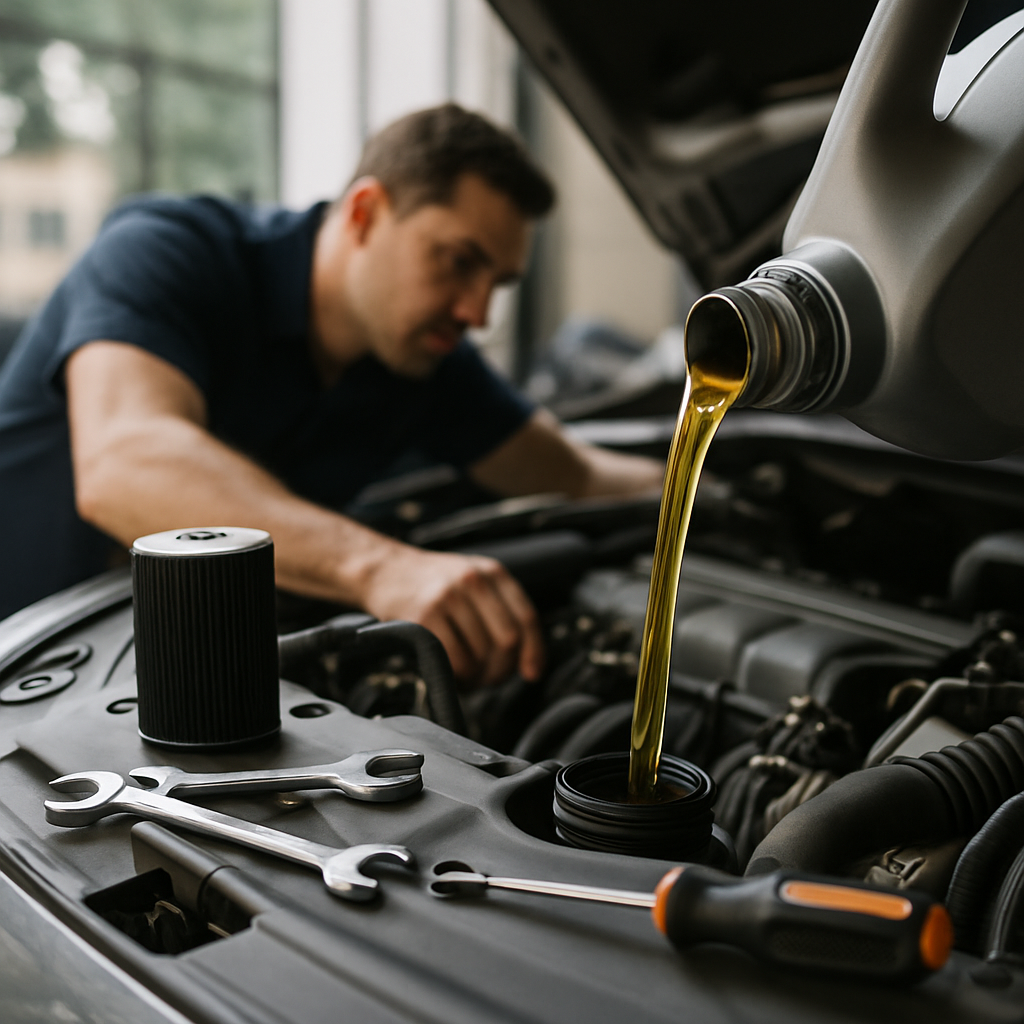
If you want to keep your car running reliably and save money at the shop, learning how to change oil in your car is one of the smartest moves you can make. The process is straightforward: drain the old oil, replace the filter, add fresh oil, and you are ready to roll. Doing the job yourself can also help you avoid common upsells or hidden costs at auto shops, and gives you confidence in your vehicle maintenance.
What Tools and Supplies Do You Need for an Oil Change?
At minimum, you will need the right engine oil, an oil filter, a wrench (ideally an oil filter wrench), a drain pan, and a funnel. Protective gloves and rags help keep things tidy. Every car will have unique oil requirements and filter sizes — double-check your owner’s manual before you buy.
Having the correct wrench can make it a breeze to remove an old, stuck-on filter. Some filters may require a specific tool, so ask at your local parts store if you are unsure. A drain pan will keep your garage floor clean by catching all the old oil. Be prepared for the oil to flow quickly when you remove the plug; have your pan in place first.
If you choose to pick up supplies from a retailer like Halfords or a local shop, staff can usually help you find exact parts for your vehicle. Don’t forget new crush washers or gaskets for the drain plug, if needed.
How Do You Change Your Car’s Oil Step by Step?
Start by making sure your engine is slightly warm — not hot — to help the old oil drain better. Safely lift the car if needed, set the parking brake, and place wheel chocks behind the tires. Slide the oil pan beneath the oil pan plug, and carefully loosen the plug with your wrench. Let the oil fully drain, then wipe the plug and reinstall it securely.
Next, use your oil filter wrench to loosen and remove the old filter. A bit of oil may spill here, so keep your pan handy. Lightly oil the rubber gasket on your new filter with a dab of fresh oil, then spin it on by hand until snug — usually three-quarters of a turn after gasket contact is enough.
Now, use your funnel to pour in the new oil. Pour slowly and check the dipstick after filling to make sure your oil level is between the minimum and maximum marks. Run the engine for a minute, turn it off, and check for leaks under the car and around the filter. If you see any, tighten as necessary. Proper disposal of the old oil is essential — local auto stores or recycling centers accept used oil for free.
To avoid issues with sludge or clogs, experts recommend changing oil regularly and not letting the car run far past the recommended interval. For more advanced guidance, some mechanics suggest warming the engine briefly before draining can help move oil out cleanly, but never start work when the engine is very hot to prevent burns.
Where Can You Find Reliable Oil Change Services Nearby?
If you are not ready to tackle the task yourself, or if your car needs special attention, local mechanics, chain shops, and big-box retailers offer professional oil changes. Searching for an “oil change near me” will show you options—look at both price and customer reviews. Avoid jumping straight to a dealership unless your car is still under warranty, as independent shops usually offer competitive prices.
Transparency matters: request a detailed estimate before you commit to any service. According to expert recommendations, reliable shops will explain each charge and allow you time to decide. Don’t be rushed into extra repairs or add-ons you don’t understand. Consider getting a second opinion for expensive or unexpected repairs.
Local chains, like Halfords in the UK, offer quick service and set menu pricing, but independent garages can sometimes provide more personalized care. Check for discounts or coupons before booking. Finally, remember the importance of investing in trusted technicians—cutting corners on oil changes can end up costing you more in repairs down the road.
DIY is great, but a good shop should always leave you confident about what you’re paying for—and never pressured.
How Much Does an Oil Change Usually Cost?
The typical price for a standard oil change ranges from $35 to $75 in most U.S. locations. The final bill depends on your car’s make and model, oil type (conventional or synthetic), labor rates, and any work beyond the basic service. Luxury or European vehicles often cost more due to special oil or filters.
Shops might offer a low price but upsell air filters, wipers, additives, or inspections that quickly add to your total. Ask for clear breakdowns before agreeing. According to real-life examples, unexpected repairs can balloon a simple oil change into a much higher expense if you’re not careful.
If you do your own oil change, you can often spend as little as $25–$50 total for oil and a filter, depending on your car and the oil you select. Bulk oil purchases or store-brand filters can help reduce costs even more. Just remember to factor in the cost of tools if you are buying them for the first time.
Always weigh the convenience of service against the value of learning a useful maintenance skill. Even just understanding how a proper oil change works makes you a savvier customer when comparing quotes.
What Are Common Oil Filter and Oil Pan Issues to Watch For?
Oil filters must be changed with every oil service, as old filters can clog and leave damaging debris in your engine. Some filter housings require special wrenches; using the wrong tool can damage the filter or make removal nearly impossible. If you notice leaks after an oil change, double-check the oil filter seal and make sure it is not cross-threaded.
The oil pan is another essential component—stripped threads, cracked pans, or failing gaskets can cause slow leaks or even major engine problems. Always tighten the drain plug to specifications (not too tight!) to avoid damaging the threads. If you see evidence of major sludge or black, sludgy oil on the plug or inside the pan, your intervals may be too long. Experts recommend never allowing heavy sludge to dislodge aggressively, as it could clog vital engine parts.
Occasionally, minor drips after a change trace back to forgotten or old drain plug gaskets. Replacing this tiny seal as part of your routine keeps things leak-free. If your car loses oil quickly after a change—shut it off and inspect as soon as possible to prevent catastrophic engine damage.
If you are unsure about tackling filter or pan-related repairs, there is no harm in consulting a trusted mechanic, as quick professional intervention can prevent bigger issues.
Why Should You Try an Oil Change Yourself or in a Community Class?
There is a real sense of satisfaction — and savings — in learning how to maintain your own car. Many people discover confidence and hands-on knowhow through garage projects or joining community auto classes. These experiences teach practical skills while building a sense of independence.
Changing oil does not require advanced tools or prior experience. With some patience, a willingness to get your hands a little dirty, and reliable guides (plus the support of forums or local classes), just about anyone can do it. Mistakes might happen, but every issue is a chance to learn.
Some communities or schools now offer basic auto maintenance workshops, perfect for beginners wanting to build practical confidence. These classes are also a great way to meet people interested in cars and trade stories and tips.
Whether you maintain your car in your driveway or decide to rely on trusted shops, understanding the process helps you avoid overpaying, identify common pitfalls, and keep your engine healthy for the long haul.
Keeping up with regular oil changes—yourself or with a reliable shop—will extend the life of your engine and give you peace of mind on the road.
Pingback: What the EPC Light Means for Your VW Rabbit in 2009 and How to Fix or Reset It - Premier Motoring Blog
Pingback: 0W-20 Synthetic Oil for Subaru Outback: How to Choose and What It Costs - Premier Motoring Blog