Dodge Grand Caravan P0420 Code: Meaning, Causes, Fixes and Repair Cost
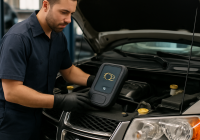
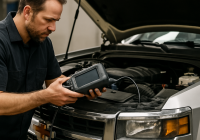
A P0420 code on a Dodge Grand Caravan means “Catalyst System Efficiency Below Threshold (Bank 1)”. In plain terms, the powertrain control module (PCM) has decided that the catalyst-efficiency monitor for one engine bank did not perform as expected. It often raises suspicion of a worn catalytic converter, but it does not prove that the… Read More: Dodge Grand Caravan P0420 Code: Meaning, Causes, Fixes and Repair… »
2014 Toyota Camry Fuse Box Locations: Engine Bay, Interior Panel, and Diagram Guide

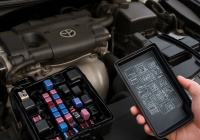
A 2014 Toyota Camry has two main fuse and relay areas to check: one in the engine bay and one in the passenger compartment on the driver’s side, in the instrument-panel area. The engine-bay box is described for 2011–2017 Camrys as being around the driver-side fender-well area and marked for fuses and relays. The interior… Read More: 2014 Toyota Camry Fuse Box Locations: Engine Bay, Interior Panel,… »

Vauxhall Corsa Engine Light: Meaning, Common Causes and Whether You Can Drive

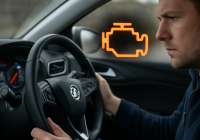
A Vauxhall Corsa engine light—also called the engine-management or check-engine light—means the car has detected a fault in a monitored engine, emissions or related control system. It is not a diagnosis: the light alone cannot identify a failed part or confirm how serious the fault is. The right response depends on the exact symbol and… Read More: Vauxhall Corsa Engine Light: Meaning, Common Causes and Whether You… »

How to Reset the Toyota Corolla Maintenance Light (and What It Means)

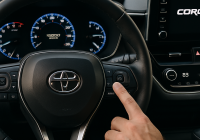
To reset a Toyota Corolla maintenance light after the required service has been completed, use the trip-meter reset control and keep it held through the instrument-panel reset sequence. The procedure described by Haynes for resetting a Corolla maintenance light ends when the odometer display runs through its dash/countdown indication and then shows zeros. Switch the… Read More: How to Reset the Toyota Corolla Maintenance Light (and What… »

Variable Valve Timing (VVT) Solenoid Symptoms: Warning Signs, Causes, Diagnosis and Cost

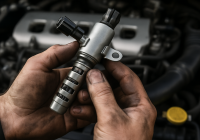
Possible variable valve timing solenoid symptoms include a Check Engine Light, a rough or unstable idle, hesitation, reduced acceleration or overall performance, and sometimes poorer fuel economy. These signs can point to a VVT-system problem, but they do not confirm that the solenoid itself has failed. Similar symptoms can come from oil-flow problems, wiring or… Read More: Variable Valve Timing (VVT) Solenoid Symptoms: Warning Signs, Causes, Diagnosis… »

Does Leaving the Key in the Ignition Drain the Battery? Off vs. On and What to Do if It Won’t Start

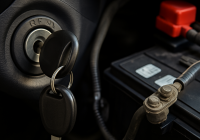
Leaving a physical key in the ignition does not automatically drain the battery. The important question is whether the key and ignition switch were left in an accessory or ignition-on position, or whether lights or other electrical equipment remained powered. Even with the engine off, a car battery supplies certain background systems, but an overnight… Read More: Does Leaving the Key in the Ignition Drain the Battery?… »

Coolant Leaking Below the Exhaust Manifold: Safety Steps and Diagnosis Limits

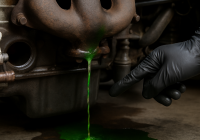
If coolant is visible below, or appears to be landing on, the exhaust-manifold area, the location alone does not identify the failed part. It does, however, deserve prompt, vehicle-specific attention because coolant contact with exhaust hardware has been documented as a fire-hazard condition in at least one recall application. Do not assume the exhaust manifold… Read More: Coolant Leaking Below the Exhaust Manifold: Safety Steps and Diagnosis… »

Check Engine Light After an Oil Change: Causes, What to Check, and When to Stop Driving

A check engine light after an oil change may be connected to something checked or disturbed during the service, but its timing does not prove that the oil change caused it. The warning means the vehicle’s onboard system has detected an emissions- or drivetrain-related fault, and the cause can range from a relatively minor issue… Read More: Check Engine Light After an Oil Change: Causes, What to… »