Author Archives: PMB

Ford EGR Valve Symptoms: Warning Signs and Diagnosis
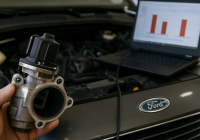
Possible signs of an EGR-related problem on a Ford can include reduced power, smoke, abnormal engine noise, unstable timing, or emissions-related fault codes. These are general, application-dependent possibilities—not a verified Ford-specific symptom checklist—and none proves that the EGR valve itself has failed. Similar signs can come from connected components or other faults, so diagnosis should… Read More: Ford EGR Valve Symptoms: Warning Signs and Diagnosis »
P0736 Code: Reverse Gear Ratio Meaning, Causes and What to Do

P0736 means the transmission controller has detected an incorrect or abnormal gear-ratio relationship while reverse is selected. In plain terms, the speed readings the controller uses do not match the relationship it expects for reverse. The code points to a detected mismatch; it does not identify a failed part or prove that the transmission needs… Read More: P0736 Code: Reverse Gear Ratio Meaning, Causes and What to… »

Hyundai Accent P0326 Code: Meaning, Causes and Whether You Can Drive

P0326 means the engine computer has detected a knock-sensor signal outside its specified range. Its standard definition is Knock Sensor 1 Circuit Range/Performance, Bank 1 or single sensor. On a Hyundai Accent, the code points to an abnormal signal in the knock-sensor system; it does not, by itself, prove that the sensor has failed or… Read More: Hyundai Accent P0326 Code: Meaning, Causes and Whether You Can… »

Why Your Jeep Feels Like It Has No Power: Causes and What to Do

A Jeep that feels weak, sluggish, or unresponsive can have several possible causes; the feeling alone does not identify a failed part. The right diagnostic direction depends on the Jeep’s model, year, and powertrain, any warning lights or messages, and what happens when you press the accelerator. Start by noticing whether the engine bogs or… Read More: Why Your Jeep Feels Like It Has No Power: Causes… »

Clunking Noise When Turning the Steering Wheel: Causes and Whether It’s Safe to Drive

A clunk when turning the steering wheel does not, by itself, show whether your car is safe to drive or identify which part has a problem. Steering, suspension, and drivetrain faults can produce similar noises, and some affected components are safety-critical. Arrange a professional inspection promptly; if steering or handling has changed, stop somewhere safe… Read More: Clunking Noise When Turning the Steering Wheel: Causes and Whether… »

Common VW Golf Diesel DPF Problems: Symptoms and Warning Lights

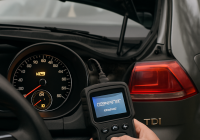
There is not enough verified, model-specific evidence available here to say that a particular DPF fault is common to all VW Golf diesels. The issues owners may need investigated include a DPF warning, difficulty with regeneration, soot or ash accumulation, and faults involving sensors or related emissions equipment—but these are possibilities to check, not confirmed… Read More: Common VW Golf Diesel DPF Problems: Symptoms and Warning Lights »

Why Is My Jeep Cherokee Knocking or Clunking When Accelerating? Causes and Checks

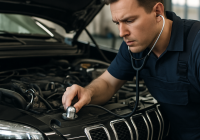
A knocking or clunking noise when your Jeep Cherokee accelerates can come from the engine, engine mounts, driveline, transmission, or wheel and suspension area. The sound alone cannot confirm which part is at fault. A single clunk as power is applied is different from a repeated engine-like knock or ping, so note when it happens… Read More: Why Is My Jeep Cherokee Knocking or Clunking When Accelerating?… »

Mazda 3 Transmission Mount Symptoms and Replacement: What to Check

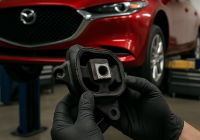
A worn or damaged transmission mount can contribute to cabin vibration while the engine is running, and it may also be associated with unusual noise or excessive powertrain movement. These signs are not proof that the transmission mount has failed: engine mounts and other components can produce similar symptoms, so an inspection is needed to… Read More: Mazda 3 Transmission Mount Symptoms and Replacement: What to Check »