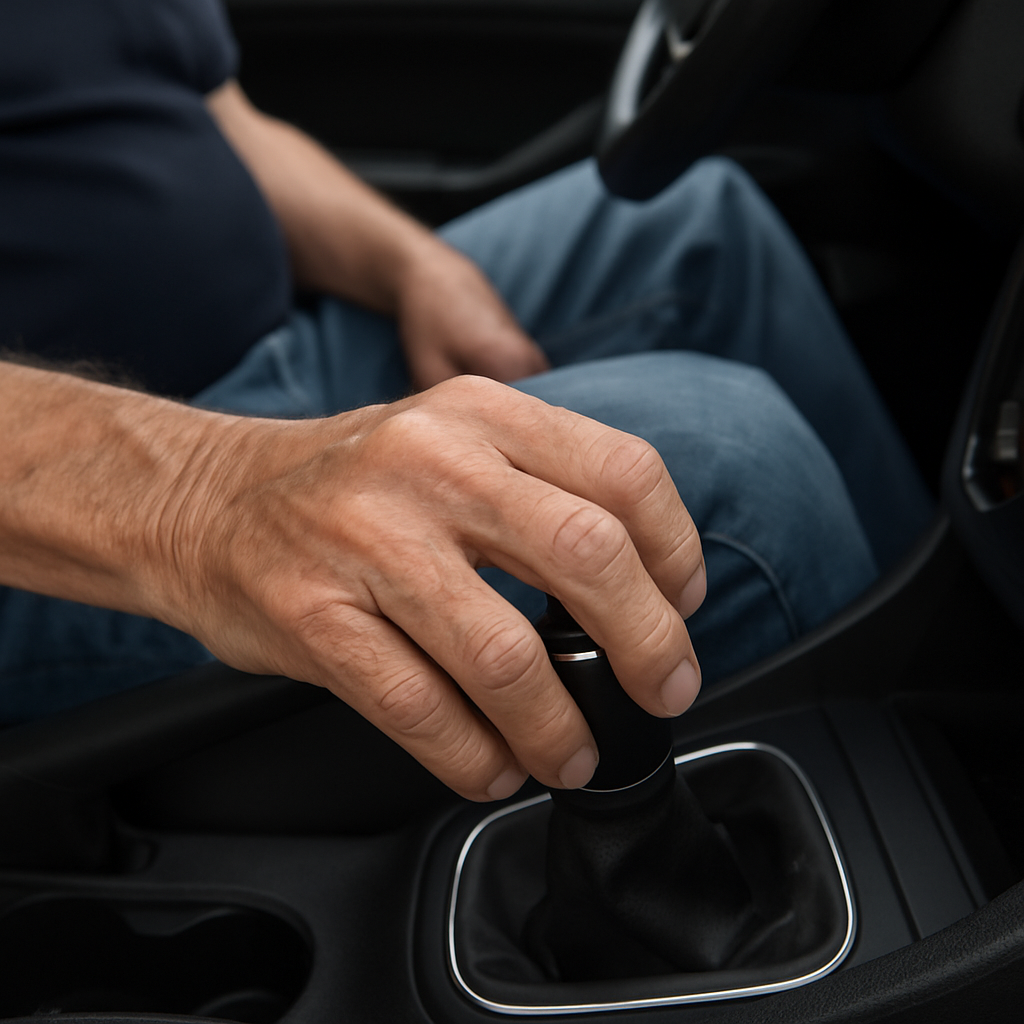
The era of manual transmission drivers is rapidly vanishing in the United States. Fewer than 2% of cars sold today come equipped with a stick shift, and new generations increasingly lack the skill or desire to drive them. If you have ever wondered why people are abandoning manuals, or if shifting your own gears still makes sense in the years ahead, you are not alone. Let’s break down what is driving this shift, how it impacts future drivers, and what stick shift fans need to know.
Why Are Fewer People Driving Manual Cars Today?
Automakers have steadily reduced the number of manual-equipped vehicles they offer, making it much harder to learn and even less practical to drive stick. Compared to even a decade ago, your options for new manual cars have shrunk from dozens to just a handful, mostly among sports and enthusiast models.
This decline has several causes. Automatics have become quicker, smoother, and more fuel-efficient than ever, erasing traditional benefits of manuals for most commuters. Electronic safety features have also blurred the appeal of having extra control through gear selection. As recent coverage documents, the shift toward convenience, tech, and disposability in vehicles strongly outpaces nostalgia.
Ultimately, fewer opportunities to learn mean the skill itself is on the brink of disappearing for everyday drivers.
How Many of Generation Z Know How to Drive Stick Shift?
The percentage of Gen Z who can operate a manual vehicle is stunningly low—only around 22% have learned, in stark contrast to nearly 55% of baby boomers who picked it up out of necessity. Manuals have shifted from an essential rite of passage to an automotive curiosity for younger drivers.
Every year, new drivers face fewer chances to practice or buy manuals. According to reporting on generational driving skills, learning stick shift today is mostly limited to car enthusiasts or those inheriting older family cars. For Gen Z, platforms like rideshare apps and driverless technology further reduce manual demand.
This generational divide cements automatics as the norm, making clutch skills increasingly rare outside car clubs and enthusiast circles.
Is It Worth Choosing a Manual Transmission in 2026 and Beyond?
For most buyers, the added control and engagement of a manual may feel outdated amid advanced automatics, but there is still a small, passionate segment that loves the experience. Certain sports cars, enthusiast models, and even entry-level vehicles keep offering manuals for those who crave involvement.
Manual loyalists enjoy unique cognitive and mechanical benefits—if you enjoy driving, nothing else feels quite the same. But you might also run into challenges finding parts, service, or resale value as manuals disappear from mainstream models. Honda’s leadership anticipates that manuals will survive as a niche offering but expects even further declines as automatics dominate.
Enthusiasts looking to buy a stick shift after 2026 should weigh the joy of the driving experience against the risks of diminished resale and future availability.
On the upside, rare manual editions now often become collector’s items, commanding high prices from die-hard fans.
Are Manual Transmission Vehicles on the Verge of Disappearing?
Manuals are not just declining—they are at risk of disappearing from new-car showrooms altogether. Only about 24 distinct models are expected to still offer a manual option by 2026, down from over 90 just ten years ago. Five of those will likely vanish within a year, further shrinking drivers’ choices.
This is partly because manufacturers are focusing on convenience, efficiency, and advanced automatic gearboxes that outperform older stick shifts. Rare models like the final stick-shift Audi sedan are now highly coveted precisely because they are so scarce. Even brands with manual-loving customers are capping production or discontinuing it in most mainstream vehicles.
Outside of certain sports cars and special editions, the stick shift’s future appears sealed as a rare exception on America’s roads.
If you are hoping to buy new, you are looking at a shrinking list focused mainly on cars built for performance enthusiasts—not family sedans or affordable compacts.
What Does the End of Stick Shift Mean for the American Driver?
The death of the manual transmission is more than a technical shift—it’s changing the way Americans connect with their vehicles. For many, stick shift driving means involvement, fun, and true mastery over their car. Losing this link marks the end of an automotive culture built around engagement and mechanic intuition.
Some argue there are safety merits to learning stick, especially in poor weather. Others point to the satisfaction and sense of accomplishment. The skills related to shifting gears, timing, and engaging with the car’s drivetrain may become a lost art.
As manual cars reach record lows, American drivers may soon have little choice but to accept automatics as the default. Still, the handful who keep the tradition alive will do so out of passion, not practicality.
Regardless of the technology, the decision to drive a manual will soon say as much about your values as your taste in cars.
Pingback: What Causes a Mazda 3 Rear Clunking Noise Over Bumps and How to Fix Suspension Issues - Premier Motoring Blog