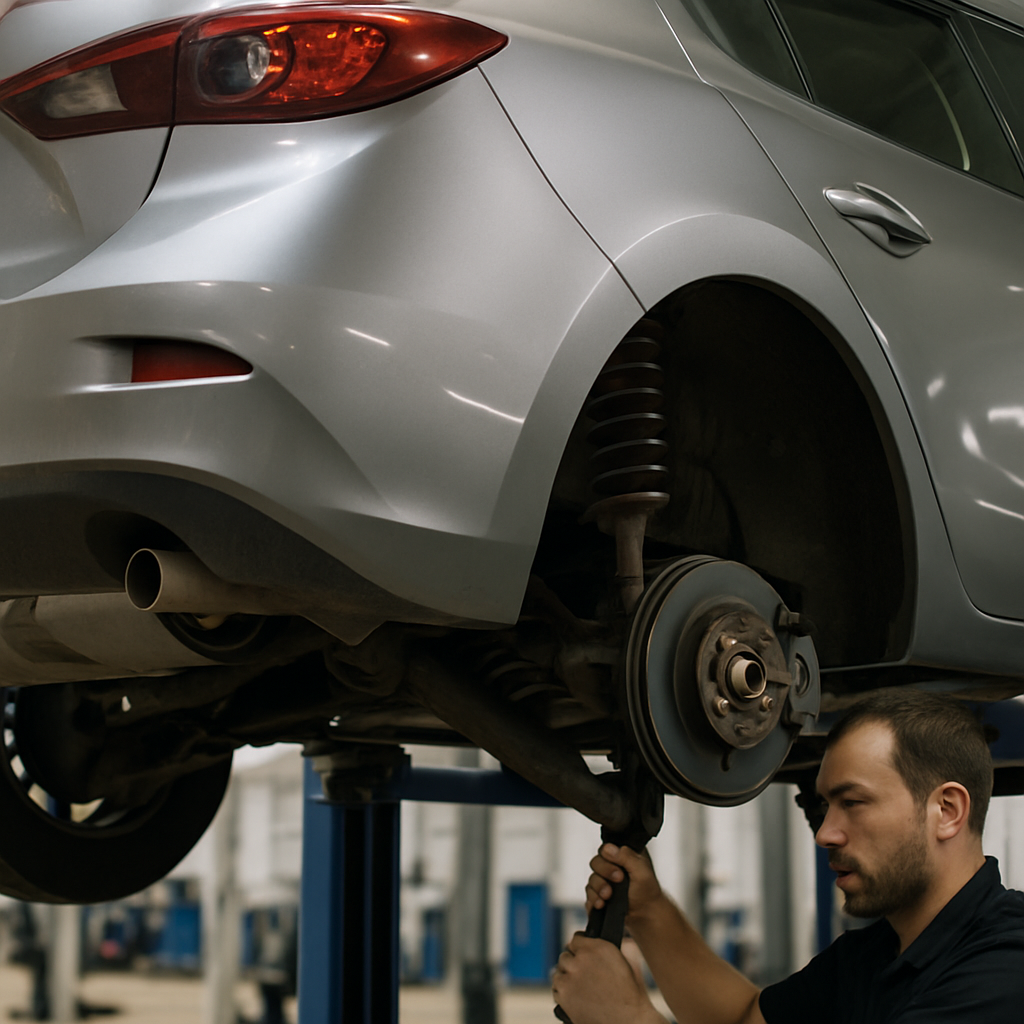
Hearing a clunking noise from the rear of your Mazda 3 when driving over bumps is a common problem—especially as the suspension components begin to age. Most often, this clunk is caused by worn sway bar links, degraded bushings, or faulty shocks. The good news? You can often pinpoint and resolve the issue with a bit of methodical troubleshooting, bringing back the smooth and quiet ride you expect from your car.
Why Does My Mazda 3 Make a Clunking Noise When I Go Over Bumps?
A rear clunk in your Mazda 3 over bumps usually points to issues like worn sway bar links, damaged bushings, or failing rear shocks. These components absorb and control movement, so even slight wear can result in noticeable sounds over uneven roads or potholes.
The most frequent culprit for this noise is the sway bar link. As many owners on forums have shared, including in detailed Reddit discussions, these links are prone to developing play, resulting in a loud clunk any time weight shifts rapidly—like hitting a speed bump. Other possible causes include deteriorated trailing arm or control arm bushings which can let metal components move more than intended, or shocks that have lost their internal damping ability. A quick inspection by gently rocking the car or driving slowly over a bump with the window down can often help you localize which side is affected and point your mechanic in the right direction.
Don’t forget that poor road conditions can accelerate wear on these parts, so check them regularly, especially if you live in an area with rough streets or winter salt exposure. If the clunk seems to appear suddenly or you notice changes in ride quality, prioritize a safety inspection as soon as possible.
What Would Cause a Rear-End Clunk When Driving Over Bumps?
Several reasons can cause a rear-end clunk in your Mazda 3, such as loose fasteners, broken mounts, or issues inside the suspension system. Most often, the root cause is linked to play or movement where there should be none—such as in mounting hardware, sway bar components, or shock absorbers.
Owners of 2010 and 2014 Mazda 3s commonly report that loose or worn-out bushings are responsible. As referenced by a community member on Mazda3Forums, even after inspecting other rear-end parts, the real issue was insufficiently tight bolts in the shock absorber or bushings that had developed cracks. Unsecured spare tire kits or exhaust components can sometimes mimic suspension noise, so it’s smart to inspect your trunk and undercarriage thoroughly.
If you still can’t find the clunk after checking the obvious spots, consider visiting a well-reviewed mechanic or specialized Mazda service center. They might pressure-test the bushings or use a chassis ear device to precisely locate the source—saving you time and unnecessary part replacements.
Routine checks after every alignment or tire change can prevent clunks triggered by loose mounts and extend the longevity of your rear suspension.
Are Rear Suspension Noises Common in Mazda 3 and Mazdaspeed 3?
Yes, clunking noises from the rear suspension are relatively common in both Mazda 3 and Mazdaspeed 3 models, especially as they age. Higher-mileage vehicles and those subjected to harsh climates or aggressive driving may experience this issue sooner.
Sportier models like the Mazdaspeed 3 sometimes exhibit these sounds earlier due to firmer suspension setups or the added stress from performance driving. Community discussions highlight that rear sway bar bushings, upper strut mounts, or even the bushings inside the trailing arms are typical trouble spots. You might notice a faint rattling at first, which evolves into a louder clunk as the deterioration progresses. For example, one 2013 Mazda 3 owner explained on a popular Facebook group that despite a garage inspection, rear suspension noises persisted until the sway bar links were replaced.
Believe it or not, even brand-new bushings can develop defects—especially aftermarket or low-quality replacements—so always opt for durable, OEM-grade parts where possible. Frequent checks make it easier to catch minor wear before it turns into a full-on clunking scenario.
How Do You Diagnose and Fix a Clunking Noise in the Rear Suspension?
Diagnosing a rear suspension clunk in your Mazda 3 starts with a visual inspection. Look for cracked or torn bushings, broken sway bar links, and leaking shocks. Gently rock the car from side to side while listening for metallic knocks or dull thuds. If possible, use ramps to check underbody connections with a pry bar—there should be no excess movement anywhere in the rear setup.
If your initial inspection doesn’t reveal the obvious, check that all mounting bolts for the shocks and sway bar are tight. Sometimes a simple retorque can eliminate annoying noises. Next, inspect for loosened exhaust hangers or trunk items that may cause a similar sound.
Should you struggle to identify the issue, professional mechanics can lift the vehicle and examine the rear end more closely—checking for movement during wheel articulation. As one owner described in a detailed Mazda3 forum post, a mechanics’ chassis ear tool can quickly pinpoint suspension clunks, especially if you ‘can’t find this rear-end clunk’ through manual checks.
Once diagnosed, replacing sway bar links or bushings is generally straightforward and affordable. Shock absorbers are more involved, but a seasoned DIYer or shop can tackle them within a few hours. After repairs, always test the car over varied surfaces to ensure the noise has disappeared and your Mazda rides as intended.
Do Front End Clunks Relate to Rear Noises in Mazda 3 Models?
Front and rear suspension clunks in Mazda 3s might sound similar but usually stem from different components. It’s essential to differentiate between them, as the fix for a front-end noise—like lower control arm bushings or strut mounts—will not resolve a rear clunk and vice versa.
Sometimes, though, a loud rear clunk can echo or be mistaken for a front end sound. Drivers often report hearing a dull thump over bumps and misidentifying its origin. Proper diagnosis includes listening from the back seat over rough roads or enlisting a passenger to help pinpoint the source.
If you’re experiencing clunks at both ends, it’s wise to perform a comprehensive suspension check front and rear. Regular maintenance and timely bushing replacement keep both ends of your Mazda 3 quiet and composed, whether you’re encountering small urban potholes or rough country roads.
Addressing suspension issues swiftly helps prevent further damage and more expensive repairs down the line, maintaining your Mazda’s comfort, safety, and handling for years to come.
Pingback: What Does a Subaru Outback Misfire in Cylinders 1 and 3 Mean? Symptoms, Causes, and Fixes Explained - Premier Motoring Blog