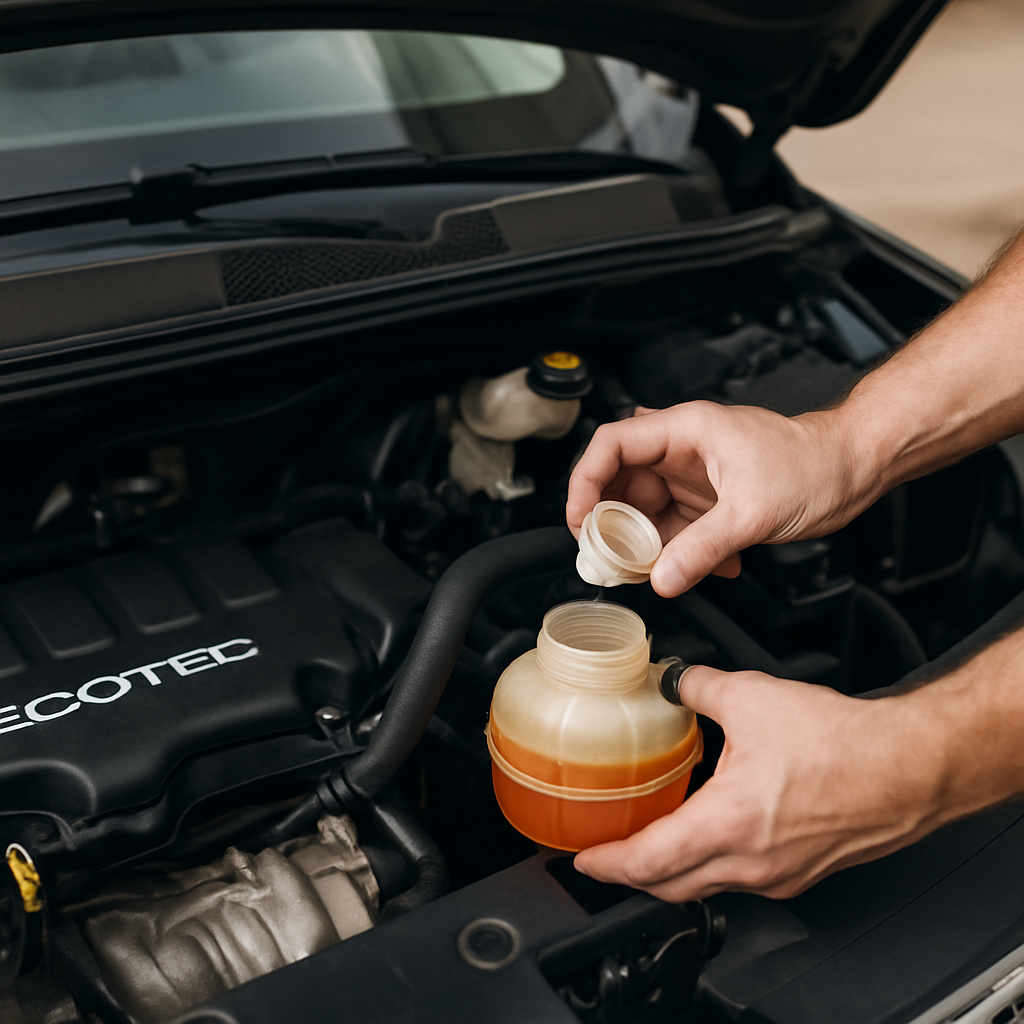
Noticing your 2014 Buick Encore losing coolant without visible leaks or high engine temperature can be confusing. The most common reasons include hidden leaks, evaporative loss, faulty engine components, or internal system failures. Addressing coolant loss early protects your engine from future damage—even if you are not seeing classic symptoms like puddles under your car or rising heat on the dashboard.
Why Might My Buick Encore Lose Coolant With No Signs of Overheating?
If your Encore is losing coolant without overheating, you are likely dealing with a subtle leak or slow coolant consumption. Do not rely solely on your temperature gauge—some leaks may be too small to cause immediate overheating, especially if you top up coolant regularly. Over time, even a slight deficiency in coolant can damage your engine, so quick attention is vital.
Owners frequently report missing coolant without obvious puddles on platforms like r/mechanic on Reddit, suggesting internal losses or evaporation may be culprits. If your engine is not running hot, check for coolant traces around hoses, the turbo housing, or beneath the engine. Small evaporative leaks might go unnoticed but still drain fluid steadily over weeks.
In rare cases, air pockets in the system prevent accurate temperature readings. This makes periodic inspections necessary—do not trust the dash indicator alone. If the problem persists, a pressure test can help reveal leaks even in hidden spots.
Are There Hidden Leaks and Common Trouble Spots for Buick Encore Coolant Loss?
Sometimes leaks hide in plain sight. On the 2014 Buick Encore, trouble areas include the turbo cooling lines, heater core, and water pump seals. Leaks in these spots may only manifest when the system is pressurized or hot, leaving limited residue when the engine is at rest.
One common scenario involves coolant escaping at the turbo plumbing. As outlined in discussions on the Buick Forums Turbo Coolant Leak thread, a slight smell during driving or steaming from the engine bay can be early indicators.
If you suspect a hidden leak, inspect hoses and connections for crusty white deposits or pink staining—classic signs of dried coolant. Sometimes, a UV dye can expose leaking points when inspected with a blacklight. Do not forget to check inside the cabin for sweet-smelling dampness under the carpeting, which could mean a faulty heater core.
If you have ruled out external leaks, consider head gasket issues. Even without smoke or milky oil, minor gasket leaks can let coolant escape into the combustion chamber or oil passages slowly.
Is There a Coolant Leak Recall for Buick Encore or Specific 2017 Model Years?
GM has issued some technical service bulletins and recalls for later model Buick Encore engines, particularly involving the 2017 turbo variant. However, as of now, the 2014 model year is not included in any active coolant leak recalls.
Official recall lists regularly change, so stay informed by checking your VIN through the dealer or NHTSA website. While the 2017 Buick Encore saw more widespread turbo cooling line recalls, the 2014’s issues tend to be isolated or handled by service bulletins rather than recalls. If you suspect your issue mirrors those in newer models, discuss it with your service advisor—they may honor goodwill repairs if a common pattern emerges across multiple years.
If you notice any burnt coolant smells, particularly after a drive or while idling in traffic, reference experiences like drivers describing intermittent coolant odors. Compare your engine bay for similar symptoms and document everything when visiting the dealership.
What Coolant Type and Color Should I Use for My 2014 Buick Encore?
The recommended coolant for a 2014 Buick Encore is an orange Dex-Cool formula. This type is engineered for effective protection against corrosion, optimized heat transfer, and long service intervals. Using a compatible formula preserves your cooling system performance and prevents premature wear.
Never mix different coolant colors or types (such as green or universal coolants) with Dex-Cool. Doing so can cause sludging and system clogs. Always confirm the product label or ask your parts supplier to guarantee correct formulation.
Check your current coolant visually. The fluid inside the overflow reservoir should appear bright orange without cloudiness or rust-colored contamination. If you spot off colors or particles, do a flush and refill with the correct type. This simple step can save you hundreds in repair bills down the road.
How Do I Check and Maintain the Proper Coolant Level in My Encore?
To verify your coolant level, inspect the translucent expansion tank when the engine is cold. Look for fluid at or near the “FULL COLD” mark molded into the side of the reservoir. If fluid falls below this line, add new Dex-Cool coolant mixed 50/50 with distilled water until it reaches the correct spot.
If you have to add coolant often, do not ignore the pattern. Regular top-offs point to a persistent leak or possible engine issue. Track the date and volume added so you can describe the problem clearly at your next service visit. If you see air bubbles inside the tank or hear gurgling from the dash, you may need to bleed the system to remove trapped air.
Never open the radiator cap on a hot engine—wait until everything is cool to avoid serious burns. If the system repeatedly runs low, get a pressure test performed at a trusted shop. Many Encore owners share diagnostic advice and step-by-step solutions in places like Buick Encore Facebook communities, which can be helpful for trickier cases.
Staying proactive about your coolant level is the secret to extending the life of your turbocharged Encore. Take small problems seriously before they snowball into big repairs later.
Even if your engine stays out of the red, slow coolant loss from your 2014 Buick Encore deserves a closer look and timely action.