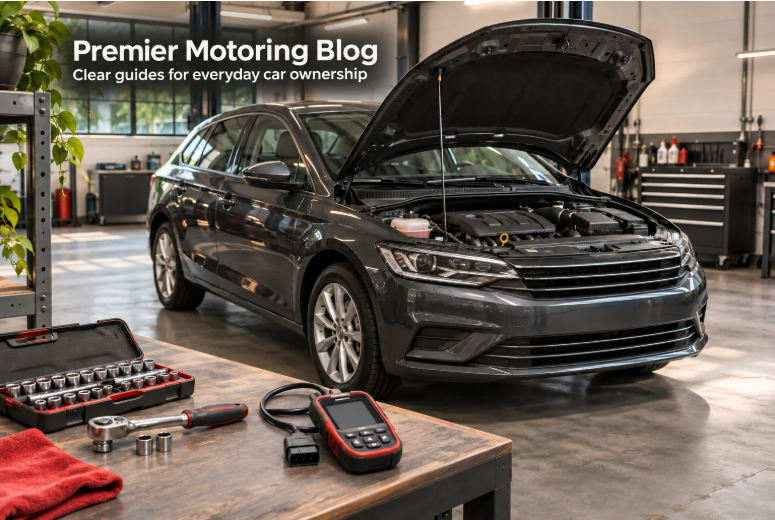
Yes, the 2019 Ford F-150 is equipped with a heater control valve that regulates coolant flow to the heater core. This component is critical for cabin heating performance and is typically located within the engine bay, often near the radiator or transmission cooler lines. If you are experiencing symptoms such as cold air from the vents despite the climate control being set to heat, or if your vehicle is overheating due to restricted coolant flow, the valve may be faulty.
Safety First: Immediate Stop-Driving Signs
Before attempting any diagnostic checks, safety must be prioritised. If the engine temperature gauge indicates overheating while driving, do not continue operating the vehicle. Pull over to a safe location immediately and turn off the engine to prevent severe damage to the cylinder head or block.
- Do not restart the vehicle if it has been running hot for an extended period; this can cause catastrophic engine failure.
- Check for leaks under the hood, particularly near the radiator or heater core area, as a failing valve can sometimes be associated with coolant system integrity issues.
While the heater control valve itself is an electrical component designed to open and close based on signals from the engine control module (ECM), its failure often manifests alongside other cooling system symptoms. It is important to distinguish between a cold cabin due to a closed valve and true overheating caused by a blocked flow path.
Genuine vs. Aftermarket Heater Control Valves
The heater control valve on the 2019 F-150 is a factory-installed part that diverts hot coolant from the radiator into the heater core, resulting in warm air for the cabin. However, owners sometimes install aftermarket valves to bypass factory restrictions or modify cooling flow.
Aftermarket valves are frequently installed to alter coolant circulation, which can lead to overheating if not properly calibrated for the specific engine code (e.g., 3.5L EcoBoost vs. V8). Verify that any replacement part is an Original Equipment Manufacturer (OEM) unit designed specifically for your 2019 F-150 configuration. Installing incorrect valves can disrupt the delicate balance of the cooling system, potentially leading to overheating if the valve fails to close correctly or if it restricts flow to the radiator.
Diagnostic Checks and General Vehicle Queries
Performing a diagnostic check requires the vehicle to be on level ground. While specific failure codes for the heater control valve may vary by engine configuration, general electrical checks can provide insight into the system’s status.
- Verify electrical signals: Use an OBD2 scanner to check for power and ground signals at the valve connector when the climate control is set to maximum heat. A lack of signal indicates a wiring issue or a problem with the ECM, rather than the valve itself.
- Inspect recent modifications: Review the specific engine code associated with your vehicle to identify exact failure modes and ensure no recent repairs have altered the cooling system’s flow paths.
- Check coolant levels: Ensure the radiator and overflow tank are at the correct level. Low coolant can cause the valve to behave unpredictably due to air pockets or insufficient hydraulic pressure.
It is crucial to understand that generic fault codes often indicate a circuit issue rather than confirming a failed mechanical part. A symptom of cold air does not automatically confirm a broken valve; it could also stem from a clogged heater core, a faulty blend door actuator, or simply the valve being closed due to low coolant pressure.
Professional Follow-Up and Service
If the heater control valve is confirmed faulty through electrical testing, a professional mechanic should perform a full coolant system flush. This ensures that no debris has accumulated around the valve or in the heater core, which can mimic symptoms of a failing component.
Inspect the thermostat and radiator for blockages or leaks that may be contributing to overheating symptoms. If the valve is electrically active but still not opening when commanded, it may require replacement. Schedule an appointment with a certified Ford technician to verify the integrity of the cooling system, as they have access to specialised diagnostic tools required for accurate coolant pressure testing.
While specific prices and service intervals vary by region and dealer, expect professional diagnosis to include visual inspection, electrical testing, and potentially a pressure test. Do not rely on anecdotal reports from online forums for definitive specifications; instead, consult official Ford documentation or certified technicians for guidance tailored to your specific engine code.
For further reading on general HVAC components, you may refer to resources discussing heater water hoses and their function in diverting coolant flow. (Ford Heater Water Hose Product Page)
Summary of Checks and Interpretation
The following table summarises the key checks and their potential interpretations for a 2019 Ford F-150 heater control valve issue:
| Check Type | Interpretation of Result | |
|---|---|---|
| Visual Inspection | Look for coolant leaks or corrosion near the valve. | Leakage suggests a seal failure; corrosion may indicate age-related degradation. |
| Electrical Test | Check voltage at the connector with heat on. | No power means wiring/ECM fault; low voltage indicates poor connection. |
| Coolant Flow Check | Feel for hot coolant exiting the heater core (if accessible). | Cold fluid suggests valve closed or heater core blocked. |
Remember, without physical access to the engine bay, visual inspection of the valve is not possible. If you suspect a fault but cannot perform these checks safely, seek professional assistance immediately.