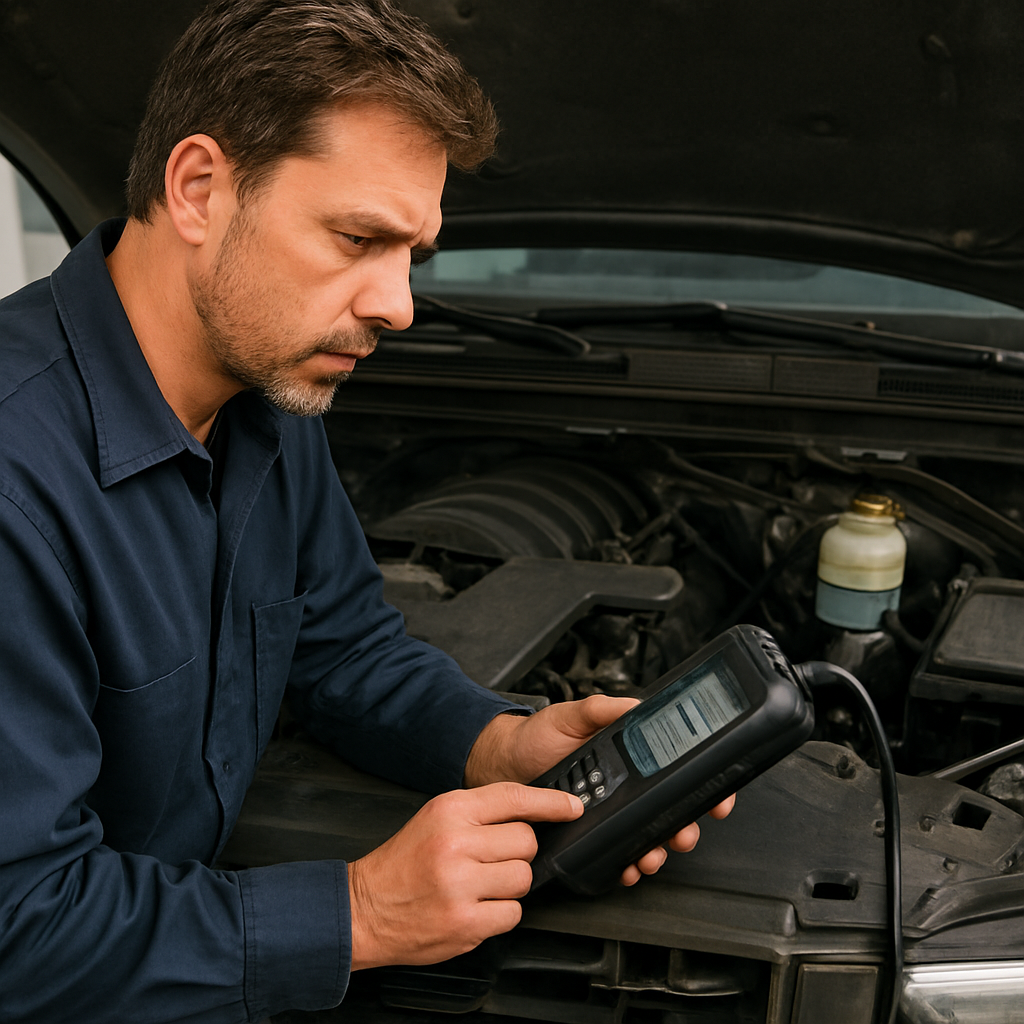
On a 2014 Chevrolet Silverado 1500, P0172 means the engine control system has detected a fuel-trim condition that is too rich on bank 1; P0175 reports the corresponding condition on bank 2. These codes describe what the system has detected, not which component has failed. When both appear, a shared cause is worth investigating, but the codes alone do not confirm one.
What P0172 and P0175 Mean on a Silverado
“System too rich” means the control system has detected a mixture or fuel-trim condition indicating too much fuel in relation to air. P0172 identifies bank 1, while P0175 identifies bank 2. In plain language, the codes refer to the two sides, or banks, of the engine. Their exact physical orientation depends on the engine, so do not use the code alone to identify a particular side of the truck.
The code definitions are general OBD-II descriptions; they are not a confirmed diagnosis of a 2014 Silverado. In particular, neither code proves that an oxygen sensor is faulty. A sensor may be involved in reporting engine conditions, but other faults can create the rich condition the system detects. The P0172 and P0175 code explanation describes them as rich fuel-trim codes affecting bank 1 or bank 2.
Why Both Banks May Set Rich Codes
When P0172 and P0175 appear together, a technician may look for something affecting both banks, such as a shared fuel-control or air-measurement issue. That is a diagnostic approach, not proof that one shared component is responsible. The available information does not establish a confirmed or ranked cause for every 2014 Silverado 1500 engine and fuel-system configuration.
Fuel-pressure- or fuel-regulator-related problems are possible areas to investigate. A discussion about a 2002 Silverado, for example, describes checking for fuel entering through a regulator vacuum connection and checking fuel pressure. It also raises an intake-duct leak after the mass airflow sensor (MAF) as a diagnostic possibility. These are examples from an older, non-identical truck—not test instructions, specifications, or confirmed causes for a 2014 Silverado. The 2002 Silverado discussion should be treated in that limited context.
A video involving a 2007 Silverado shows why diagnosis matters: parts had been replaced before the underlying issue was properly identified. Its discussion also raises MAF and fuel-alcohol data as possible diagnostic considerations for that vehicle. It does not establish that a MAF problem, fuel-composition reading issue, or particular repair applies to a 2014 truck. See the older Silverado diagnostic example as an illustration, not a model-specific repair guide.
Claims that a leaking high-pressure fuel pump, a sticking EVAP purge solenoid, a dirty MAF, an incorrect fuel-alcohol reading, an ECM update, or a particular sensor reset is the answer should not be treated as verified for this Silverado based on the evidence available here. The correct next step is to test the actual truck using information for its exact engine and fuel-system configuration.
Possible Effects and Whether You Can Drive
A rich-running condition may increase fuel consumption and cause performance problems. If excess unburned fuel continues to pass through the engine, it may affect cylinder-wall lubrication and contaminate or damage the catalytic converter. For more on that separate diagnostic code, read what a P0420 catalyst-efficiency code means. That does not mean P0172 or P0175 will necessarily cause P0420.
The available evidence does not establish that a Silverado with these codes is safe to drive. How urgent the issue is depends on how the truck is running and how severe the condition is. Arrange prompt diagnosis rather than ignoring the codes. If the engine is running very poorly or there is another immediate hazard, stop driving when it is safe to do so and seek professional help.
How to Diagnose the Codes Before Replacing Parts
There is no single repair supported for every 2014 Silverado with P0172 and P0175. Clearing the codes may turn off the warning temporarily, but it does not identify or repair the cause. Replacing an oxygen sensor, MAF, pump, or another component just because a code or online post mentions it risks replacing parts without fixing the fault.
A sensible diagnosis begins with the truck’s stored information and proceeds from evidence:
- Record all codes and available scan data. Keep the complete code list and relevant data before anything is cleared. Other codes or the conditions recorded when the fault occurred may help guide diagnosis.
- Check whether one or both banks are affected. Confirm whether P0172 and P0175 are current, stored, or intermittent, and compare available fuel-trim information for each bank. A paired-code reading points to both banks reporting rich conditions; it does not identify the failed component.
- Inspect relevant intake connections. A technician can check the air-intake ducting and connections for damage or leaks. The post-MAF duct example comes from an older truck and should not be assumed to explain a 2014 vehicle without testing.
- Test fuel pressure and fuel control using the correct service information. Fuel-pressure- or regulator-related checks may be relevant, but test methods and specifications must match the Silverado’s exact engine and fuel-system configuration. Do not apply figures or procedures from an older truck.
- Use test results to choose a repair. If the results do not clearly identify the cause, further diagnosis is preferable to replacing parts speculatively. Fuel-system work or uncertain testing is best handled by a qualified technician.
The older-vehicle examples above are useful only as illustrations of diagnostic avenues. They do not supply 2014 Silverado pressure limits, scan-tool thresholds, reset procedures, or a universal repair. Confirm the engine and applicable service information before testing or replacing components.
Can a Dirty Air Filter Cause P0175?
The available evidence does not establish whether a dirty air filter causes P0175 on a 2014 Silverado 1500, so it would be misleading to give a definitive yes or no for this truck. The filter and intake can be inspected as part of a broader, vehicle-appropriate diagnosis, but the code alone does not prove that the filter is responsible.
How Much Does It Cost to Fix P0172 or P0175?
There is no set repair price for either code: the cost depends on what testing identifies, the parts and labour required, and your location. The supplied information does not confirm a failed component or provide a reliable estimate, so a numerical range would be speculative. Ask for the diagnostic findings and a repair estimate based on the truck’s exact configuration before authorising parts replacement.