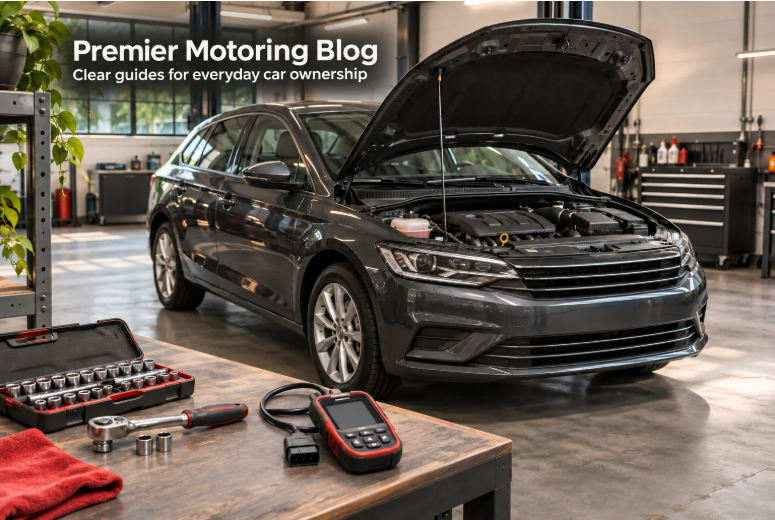
Overheating in a 2014 Toyota Corolla is an immediate safety hazard that requires stopping the vehicle and conducting specific coolant system checks before attempting to restart. While exact specifications for this model year are not universally documented online, the symptoms described—temperature gauge rising or steam from the engine bay—indicate a failure within the cooling circuit. The most probable causes involve the thermostat, water pump, or radiator integrity, rather than generic electronic faults.
For further reading, see 2016 Corolla overheating scare : r/mechanic.
For further reading, see 2014 Toyota Corolla Coolant: Specs & Service.
For related guidance, see Diagnosing a 2017 Toyota Corolla with Delayed Fourth Gear: Common Causes and Checks.
For related guidance, see Why Your Toyota Corolla Delays Upshifting in Cold Weather: Causes, Checks, and Solutions.
Critical Safety Warning & Immediate Actions
If your temperature gauge has entered the red zone or if you see steam/smoke from under the hood, do not restart the engine. Restarting an overheated engine can warp cylinder heads and destroy the timing chain. The safest course of action is to pull over in a safe location, turn off the ignition, and allow the vehicle to cool naturally.
While anecdotal reports from community discussions suggest owners often suspect the thermostat as the primary culprit, treating this as a confirmed diagnosis without inspection is risky. A faulty radiator cap or external leak can produce identical symptoms. Always verify coolant levels and system pressure before proceeding with any checks.
Essential Pre-Check: Coolant System Integrity
Before visiting a mechanic, perform these owner-level inspections to narrow down the issue:
- Coolant Level Check: Locate the dipstick (usually yellow or red). If the level is low, top up with the correct 50/50 antifreeze mixture. However, if the level was normal and the car overheated, the system may be losing pressure through a leak.
- Radiator Cap Inspection: A damaged cap cannot maintain system pressure, causing coolant to boil at lower temperatures. Check for cracks or corrosion on the cap itself.
- External Leaks: Inspect the radiator hoses, water pump area, and engine bay for wet spots or puddles under the car. Look for cracked rubber hoses or loose clamps.
For a detailed approach to checking coolant capacity and preventing leaks in similar Toyota models, refer to resources on Toyota coolant safety checks. This provides context on how to verify system integrity without specialized tools.
Common Causes & Diagnostic Pathways
Based on available evidence for this era of Corolla, the following components are most frequently implicated in overheating events:
- Thermostat Failure: If the engine takes a long time to reach operating temperature or overheats immediately upon acceleration, the thermostat may be stuck closed. This prevents coolant from circulating through the radiator.
- Water Pump Failure: A failing pump can cause overheating even if the coolant level appears adequate. Listen for grinding noises when the engine is running; this often indicates bearing wear.
- Radiator Blockage: Clogged fins or internal sediment restrict airflow and flow, leading to elevated temperatures. This is common in vehicles with high mileage.
Anecdotal discussions regarding Corolla overheating issues often highlight the thermostat as a frequent point of failure, but these should be treated as reader reports rather than definitive proof of specifications. A non-functional OBD-II port, while a known issue for some 2012–2017 models, is unlikely to cause overheating directly unless it prevents the engine control unit (ECU) from managing fan speed or coolant flow.
Professional Follow-Up & Service
If external checks do not reveal a leak or low fluid, professional diagnostics are required. Generic fault codes may not always pinpoint the exact component, so a certified technician should inspect internal parts like the water pump and thermostat housing.
When seeking service, expect to be asked about:
- OBD-II Scanning: Even if the port is difficult to access, a professional can attempt to read codes related to cooling system performance (e.g., P0128 for thermostat).
- Pressure Testing: A mechanic will use a pressure tester to confirm if the radiator cap or hoses are leaking under pressure.
- Internal Inspection: Removal of the upper radiator hose may be necessary to check the water pump impeller and thermostat operation.
For guidance on diagnosing non-functional OBD-II ports in 2012–2017 Corollas, see diagnostic steps for OBD-II issues. However, do not assume the port failure is the cause of overheating; it may be a separate issue.
When to Stop Driving or Seek a Mechanic
You should stop driving immediately if:
- The temperature gauge hits red.
- You see steam, smoke, or coolant leaking from the engine bay.
- The engine makes knocking or grinding noises.
Seek a mechanic if external checks are inconclusive. Do not attempt to drive with a compromised cooling system, as this can lead to catastrophic engine failure. While specific service intervals for high-mileage 2014 models vary, the urgency of an overheating event supersedes standard maintenance schedules.
Further reading on general overheating symptoms and diagnostic steps is available at immediate safety checks for overheating.