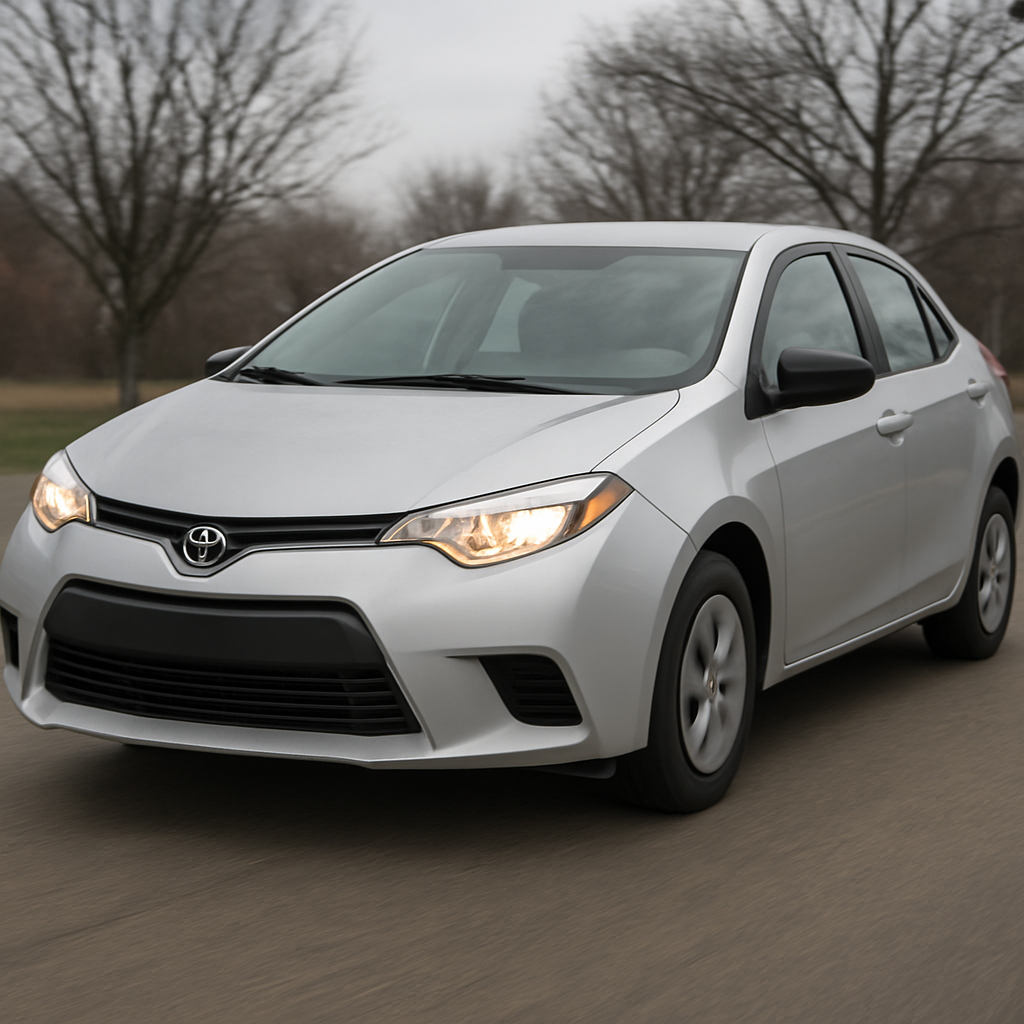
A Toyota Corolla that shakes at idle may have more than one possible explanation, and the symptom alone cannot identify the faulty part. RepairPal lists old engine mounts, a worn belt-driven engine accessory such as an alternator, and a warped harmonic balancer among common reasons for engine vibration in a 2013 Toyota Corolla. Those items are possibilities to have assessed, not a confirmed diagnosis for a particular Corolla or an idle-specific fault.
Why might a Toyota Corolla shake at idle?
The available source for 2013 Toyota Corolla engine vibration identifies the following possible causes:
- Old engine mounts
- A worn belt-driven engine accessory, such as an alternator
- A warped harmonic balancer
Engine mounts support the powertrain and can affect how much vibration is transmitted into the body and cabin. A belt-driven accessory or harmonic balancer should not, however, be assumed to be at fault simply because vibration is present. These components require proper inspection and diagnosis.
It is important to keep the evidence in context. The supplied information concerns general engine vibration in a 2013 Corolla. It does not establish that any of these components is responsible for shaking specifically at idle, nor does it show that the same causes apply to every Corolla model year, engine or transmission configuration.
What should you do next?
Arrange a professional diagnosis rather than replacing an engine mount, accessory or harmonic balancer on the basis of the symptom alone. A technician can assess the vehicle in person and determine whether one of these possible causes is relevant to your Corolla. Confirming the cause before authorising repairs can help avoid unnecessary parts replacement.
When booking the assessment, describe the symptom as clearly as possible. Note whether the shaking occurs only at idle, whether it changes when the engine speed changes, and whether the vibration is felt mainly through the engine, cabin, seat or steering wheel. This information can help the workshop reproduce and assess the concern.
If the vibration is most noticeable through the steering wheel, see our related guide to steering-wheel vibration at idle. For wider background on the symptom, read what to do if your engine is shaking.
Sources and Further Reading
- 2012 Corolla LE shaking — further reading identified in search results